

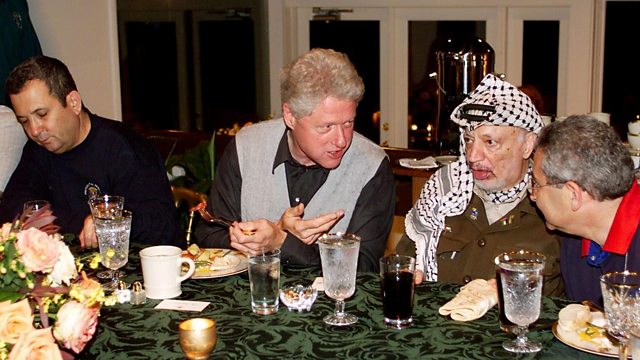
The Camp David Summit in July 2000—between U.S. President Bill Clinton, Israeli Prime Minister Ehud Barak, and Palestinian Authority Chairman Yasser Arafat—failed because the two sides could not agree on the core final-status issues. Here’s a detailed breakdown:
1. Background
The summit was meant to produce a comprehensive peace agreement after the Oslo Accords and the stalled peace process.
It focused on the “final-status issues”:
- Jerusalem
- Refugees
- Borders and land swaps
- Security arrangements
- Settlements
2. Key Issues and Positions
A. Jerusalem
- Israel: Wanted sovereignty over all of Jerusalem, including the Old City and Temple Mount/Haram al-Sharif. Proposed some Palestinian autonomy over Arab neighborhoods.
- Palestinians: Wanted full sovereignty over East Jerusalem, especially the Haram al-Sharif/Al-Aqsa compound.
- Conflict: Barak’s proposals were seen as giving very limited control to Palestinians over holy sites, which Arafat could not accept.
B. Palestinian Refugees
- Palestinians: Sought the right of return for refugees and their descendants.
- Israel: Insisted that allowing millions of refugees to return would endanger the Jewish majority. Proposed limited return and compensation.
- Conflict: No compromise was reached.
C. Borders and Land
- Israel: Wanted to keep major settlement blocs in the West Bank. Proposed land swaps for Palestinians.
- Palestinians: Wanted a state based on pre-1967 borders, with only minor land swaps.
- Conflict: Palestinians felt Barak’s offer left too little viable, contiguous territory.
D. Security
- Israel: Wanted long-term military presence, control of airspace, and early-warning stations in West Bank.
- Palestinians: Saw this as compromising sovereignty.
3. Reasons for Failure
- Huge gaps in core demands: Jerusalem and refugees were particularly intractable.
- Mutual mistrust: Arafat feared Barak’s concessions were too weak, while Barak feared Palestinian noncompliance.
- Time pressure: The summit lasted only 13 days, leaving little room for complex negotiations.
- No public backing: Both sides faced domestic opposition to compromise on sensitive issues.
- Different interpretations of proposals: Clinton and Barak claimed they offered generous compromises; Arafat saw them as unacceptable and one-sided.
4. Aftermath
- The summit’s failure contributed to the Second Intifada, which erupted in September 2000.
- Both sides blamed each other:
- Israel said Palestinians rejected a historic offer.
- Palestinians said Israel’s proposal left them without a viable, sovereign state