

The Second Intifada (also called the Al-Aqsa Intifada) erupted in late September 2000 and lasted for several years, and its causes were a mix of immediate triggers and deep-rooted tensions.
1. Immediate Trigger
Ariel Sharon’s visit to the Temple Mount / Haram al-Sharif (28 September 2000)
Sharon, then the leader of Israel’s opposition Likud party, visited the site in Jerusalem that is sacred to both Jews (Temple Mount) and Muslims (Al-Aqsa Mosque).
Palestinians viewed the visit, backed by a heavy Israeli security presence, as a deliberate provocation.
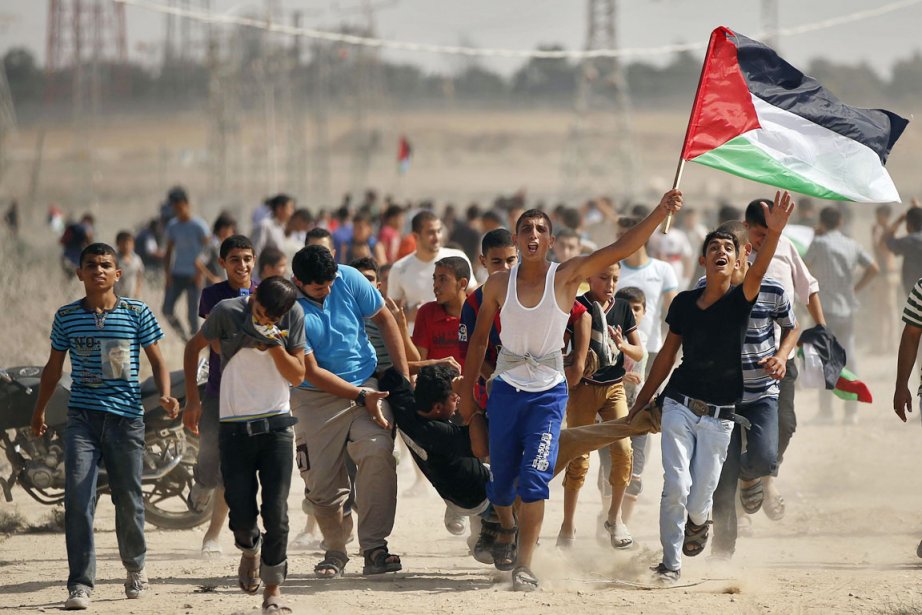
The next day, protests broke out, and Israeli police responded with live fire. Several Palestinians were killed, sparking wider unrest.
2. Deeper Causes
Collapse of the Peace Process
The Oslo Accords had raised hopes for a Palestinian state, but by 2000, key issues—Jerusalem, borders, refugees, settlements—remained unresolved.
Many Palestinians felt the interim period had only entrenched Israeli control, especially in Area C and over movement between enclaves.
Failure of the Camp David Summit (July 2000)
U.S. President Bill Clinton hosted Israeli PM Ehud Barak and PLO Chairman Yasser Arafat.
Talks ended without agreement; each side blamed the other.
The breakdown deepened mistrust.
Settlement Expansion
Even during the Oslo years, Israeli settlements in the West Bank and East Jerusalem kept growing, which Palestinians saw as undermining the peace process.
Economic Hardship & Restrictions
Checkpoints, closures, and restricted movement in the West Bank and Gaza damaged the Palestinian economy, creating frustration.
Accumulated Frustration
For many Palestinians, the combination of unfulfilled promises, worsening daily life, and political stagnation created a powder keg.
For many Israelis, continued militant attacks reinforced fears and security concerns.
3. Escalation
The unrest quickly spread, shifting from protests to armed clashes, suicide bombings, and Israeli military operations.
The violence was far more intense than in the First Intifada (1987–1993), with heavy civilian casualties on both sides.