
The Beatles had a profound influence on David Bowie, shaping his artistry, musical experimentation, and approach to fame. While Bowie would eventually carve out his own unique identity as a chameleon of rock, The Beatles’ innovation and cultural dominance left an indelible mark on his career. Here’s how they influenced him.
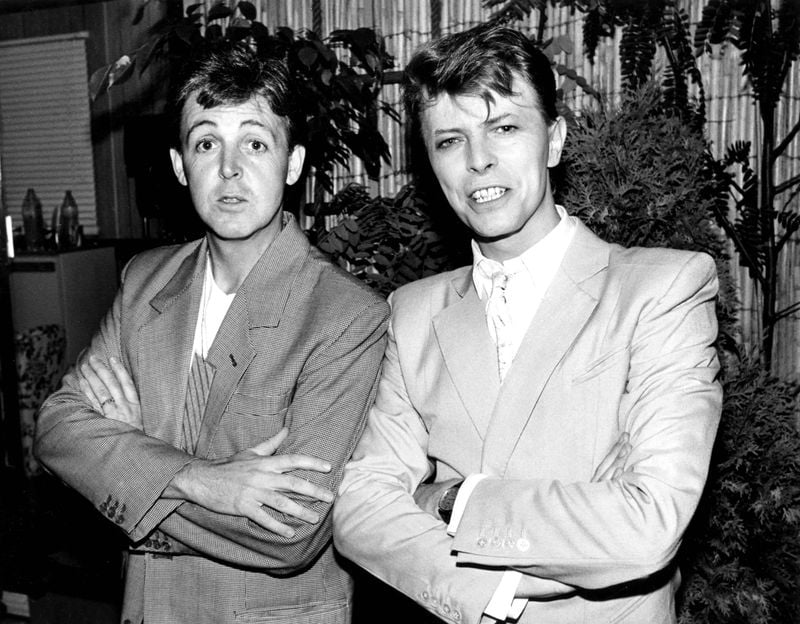
David Bowie grew up in 1960s Britain, during the height of Beatlemania, and The Beatles were one of his early influences. Their groundbreaking approach to songwriting, production, and reinvention showed Bowie that pop music could be more than just entertainment—it could be art. Albums like "Revolver" and "Sgt. Pepper’s Lonely Hearts Club Band" demonstrated the creative potential of rock music, encouraging Bowie to push boundaries.
Bowie was particularly inspired by "Sgt. Pepper’s" for its conceptual nature, its melding of styles, and its theatricality. This influence can be seen in Bowie’s embrace of storytelling and characters in his music, such as Ziggy Stardust.
He once remarked, "I seriously doubt that there’s a single artist of my generation who didn’t owe something to The Beatles."
The Beatles' fearless experimentation with music genres inspired Bowie to approach his own work with a similar openness. Just as The Beatles seamlessly blended rock, classical, Indian, and avant-garde influences, Bowie became known for his genre-hopping, from glam rock and soul to electronic and industrial sounds.
Bowie’s "Space Oddity" (1969) reflects this adventurous spirit. Released two years after "Sgt. Pepper’s", the song’s spacey, narrative-driven approach and orchestral arrangement echo The Beatles’ influence, particularly their psychedelic phase.
The Beatles’ evolution from lovable mop-tops to sophisticated, experimental artists taught Bowie the power of reinvention. Much like The Beatles transitioned from the early pop of "She Loves You" to the mature introspection of "The White Album," Bowie recognized the importance of evolving as an artist to remain relevant and exciting.
Bowie took this a step further by adopting full-fledged personas like Ziggy Stardust, The Thin White Duke, and Aladdin Sane—creating alter egos that could push boundaries in ways his real self might not. The Beatles, particularly John Lennon, showed Bowie that self-expression and honesty could coexist with theatricality. Lennon’s raw songwriting style inspired Bowie to write with more emotional depth.
Bowie and John Lennon developed a personal and creative relationship in the mid-1970s. Lennon’s wit, intelligence, and rebellious spirit deeply resonated with Bowie.
Their most famous collaboration is the song "Fame" (1975), which Bowie co-wrote with Lennon and guitarist Carlos Alomar. Lennon contributed vocals and guitar to the track, and his influence is evident in its cynical tone about celebrity culture. Bowie often cited Lennon as a major influence, describing him as "bigger than a mentor."
The Beatles’ ability to infuse their lyrics with wit, surrealism, and deeper meaning had a noticeable impact on Bowie’s songwriting. Songs like "Life on Mars?" reflect the kind of lyrical complexity and imagery that The Beatles, especially Lennon and McCartney, pioneered.
Bowie’s early work, including his 1967 debut album, features Beatles-inspired pop structures, though with a quirkier, more theatrical twist. Bowie’s later, more experimental lyrics owe much to the avant-garde spirit of tracks like "Tomorrow Never Knows" and "A Day in the Life."
Both The Beatles and Bowie championed individuality and the rejection of societal norms. This ethos was central to Bowie’s career, as he consistently pushed against cultural boundaries regarding gender, sexuality, and identity.
Bowie’s theatrical performances and glam-rock style owe a debt to The Beatles’ precedent of making the unconventional mainstream. Without The Beatles paving the way, Bowie might not have had the freedom to fully express his vision.
The Beatles influenced Bowie both musically and philosophically. Their innovation and willingness to break the rules inspired Bowie to do the same, resulting in some of the most iconic music and personas in rock history. Bowie himself acknowledged their impact, not just on him but on the entire music landscape, saying, "The Beatles were a fundamental reason why music became a credible art form."