
The Ballad of the Broken Band: How The Beatles Fell Apart
Once upon a time in Liverpool, four young men—John, Paul, George, and Ringo—dreamed of changing the world with their music. And for a while, they did. The Beatles became more than a band; they became a phenomenon, a symbol of an era. But behind the smiles, the sold-out stadiums, and the timeless melodies, cracks began to form.
The First Fissure: The Weight of the World
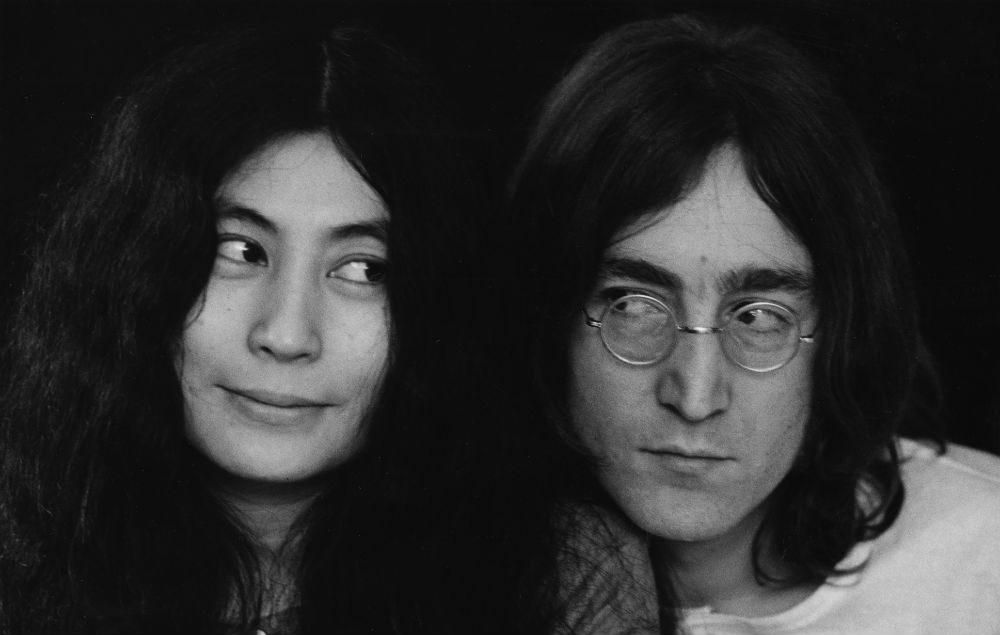
After years of relentless touring, screaming fans, and creative brilliance, the band was exhausted. In 1966, they decided to stop touring, retreating into the studio to focus on recording. But without the road to bind them, the magic started to fade. John Lennon, restless and searching for meaning, met Yoko Ono, an avant-garde artist who would become his muse—and, unintentionally, a wedge between him and the band.
Yoko wasn’t just John’s girlfriend; she was his everything. She sat beside him during recording sessions, offered creative input, and even sang on tracks. To Paul McCartney, it felt like an invasion. "She’s breaking up the band," he would later joke, but the tension was real. The others resented her presence, and John resented their resentment.
The Ghost in the Machine: Brian’s Absence
In 1967, their manager, Brian Epstein—the man who had guided them from Liverpool clubs to global stardom—died suddenly of an overdose. The Beatles were left rudderless. Without Brian’s diplomacy, their disagreements turned into battles. Who would manage their money? Who would decide their future?
John, George, and Ringo turned to Allen Klein, a tough American manager known for his aggressive tactics. Paul wanted his future brother-in-law, Lee Eastman. The split decision deepened the divide. Paul felt betrayed; the others felt he was being controlling. The band that had once moved as one was now pulling in opposite directions.
The White Album: A House Divided
By 1968, the fractures were impossible to ignore. The recording of The Beatles (aka The White Album) was a nightmare. George Harrison, tired of his songs being dismissed, walked out during sessions. Ringo Starr briefly quit, feeling unappreciated. John, lost in his relationship with Yoko and his new artistic experiments, was emotionally checked out. Paul, desperate to keep things together, pushed harder, but his perfectionism only frustrated the others.
The album was a masterpiece, but it was also a collection of solo projects masquerading as a band effort. The magic was gone.
Let It Be: The Bitter End
In 1969, they tried one last time. The Let It Be sessions were supposed to be a return to their roots—just four friends playing music together. Instead, it became a documentary of their collapse. Cameras captured their arguments, their silences, and the palpable tension. George walked out again. John and Yoko sat in a bag for an entire session, a symbolic barrier between him and the band. Paul tried to hold it together, but even his optimism was wearing thin.
By September 1969, John told the others he was leaving. He didn’t announce it publicly—he was done with the drama. But the world wouldn’t know until Paul, in a press release for his first solo album in April 1970, declared the end of The Beatles.
The Aftermath: Four Solo Paths
The breakup wasn’t just the end of a band; it was the end of an era. Fans mourned. Conspiracy theories swirled. But for John, Paul, George, and Ringo, it was a chance to breathe, to be themselves without the weight of being a Beatle.
John found peace with Yoko, though his jealousy and demons would haunt him until his tragic death in 198