
Stuart Fergusson Victor Sutcliffe was born on June 23, 1940, in Edinburgh, Scotland, and grew up in Liverpool, England. He was a talented artist from a young age and pursued his passion for painting at the Liverpool College of Art, where he met John Lennon. Sutcliffe and Lennon quickly became close friends, bonding over their shared rebellious streak and artistic sensibilities.
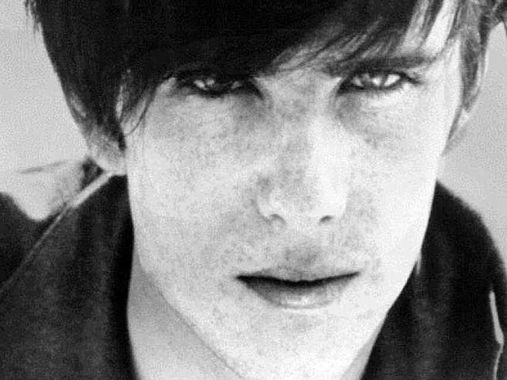
In the late 1950s, John Lennon, Paul McCartney, and George Harrison were forming a band. Stuart didn’t play an instrument initially, but John admired his style, charisma, and creativity. When Stuart sold one of his paintings for £65 (a significant sum at the time), John persuaded him to use the money to buy a bass guitar and join the band, which was then called The Quarrymen.
Though Stuart wasn’t a skilled musician, his presence in the group helped shape its identity. He also came up with the name "The Beatles", inspired by Buddy Holly’s band, The Crickets. Stuart’s sense of fashion and artistic flair influenced the group’s look, particularly their adoption of leather jackets and slicked-back hair during their early days.
In 1960, The Beatles went to Hamburg, Germany, to perform in clubs. This period was crucial for the band, as it allowed them to hone their musical skills through long, grueling sets. While the others improved as musicians, Stuart struggled to keep up on bass. Despite this, his stage presence and cool demeanor were a hit with audiences.
In Hamburg, Stuart met Astrid Kirchherr, a German photographer and artist. The two fell deeply in love, and Astrid introduced Stuart to avant-garde art and the bohemian lifestyle of the Hamburg art scene. She also suggested the famous “moptop” hairstyle, which the band would later adopt and become iconic for.
Stuart eventually decided to leave The Beatles in 1961 to focus on his art and stay in Hamburg with Astrid. Paul McCartney, who had often been critical of Stuart’s bass playing, took over on bass. While Stuart’s departure marked the end of his musical journey, his influence on the band’s aesthetic and early identity was undeniable.
Stuart enrolled at the Hamburg College of Art and showed great promise as a painter. However, he began experiencing severe headaches and episodes of disorientation in early 1962. Tragically, on April 10, 1962, Stuart Sutcliffe died of a brain aneurysm at the age of just 21. His sudden death devastated Astrid and deeply affected John Lennon, who had been one of Stuart’s closest friends.
Stuart Sutcliffe’s time with The Beatles was brief, but his impact on their early development—both artistically and stylistically—was profound. He’s often remembered as the "Fifth Beatle," a title also attributed to others who played a role in the band’s rise to fame. His artwork, too, has gained recognition over the years, showing that his creative spirit extended far beyond music.
Though Stuart’s life was tragically short, his influence on both The Beatles and the worlds of art and music remains a poignant part of his story