
The story behind The Beatles' first album, “Please Please Me”, is a fascinating one that marks the beginning of their meteoric rise to fame. Released on March 22, 1963, this album captured the energy and excitement of The Beatles’ early years and set the stage for their dominance in the music world. Here's the story behind the album and its creation
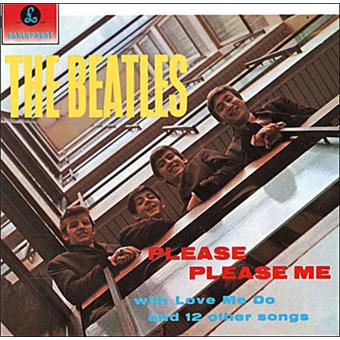
By early 1963, The Beatles were already becoming a sensation in the UK. Their singles, like "Love Me Do" (released in 1962) and "Please Please Me" (released in January 1963), were climbing the charts, and the excitement surrounding the band—soon to be known as Beatlemania—was growing. However, despite their popularity, the band had not yet released a full-length album. The pressure to create an album that would match the hype surrounding them was mounting.
At this point, The Beatles were still a relatively new band, but they had a wealth of songs, both original and covers, that were tested on stage and would form the basis of the album.
The recording of “Please Please Me” was done in a very short period of time and under less-than-ideal conditions. The album was recorded at Abbey Road Studios (then known as EMI Studios) in London. But the Beatles didn’t have the luxury of long, expensive studio time like some other bands. Instead, they had to work quickly.
The band was still busy with live performances and interviews, so producer George Martin arranged for the album to be recorded in a single day (actually two long sessions over the course of one day), plus a few extra recording sessions in the weeks following. The urgency of the session stemmed from the fact that The Beatles needed to finish the album quickly to capitalize on their rising popularity.
The first half of the album was recorded live in the studio, with all four Beatles playing their instruments together and performing their vocals in one take. This style of recording captured the raw energy and chemistry between the band members. Their dynamic was one of the keys to the album’s success: the fast, lively performances of songs like “I Saw Her Standing There” and “Twist and Shout” would go on to define The Beatles’ early sound.
Though the album was largely recorded live, there were some overdubs, particularly for vocal harmonies and some instrumental parts. The Beatles' creative arrangements were evident even at this early stage in their career, though they hadn’t yet fully developed their later experimental style.
“Please Please Me” featured a mix of original songs by John Lennon and Paul McCartney, as well as a number of covers. The tracklisting is a reflection of the energy and style that made The Beatles so appealing.
Side One:
- I Saw Her Standing There – The opening track, an upbeat rocker written by Paul McCartney, was a perfect way to start the album with energy and excitement.
- Misery – A slightly more melancholic song, but still with the driving rhythm and tight harmonies The Beatles were known for.
- Anna (Go to Him) – A cover of an R&B song originally by Arthur Alexander. The Beatles were heavily influenced by American soul and R&B at this point in their career.
- Chains – Another cover, originally by The Cookies. This one showcased the vocal harmonies of the band, particularly George Harrison’s lead vocals.
- Boys – A fun cover of a song originally by The Shirelles, sung by Ringo Starr.
- Ask Me Why – A Lennon-McCartney original with a beautiful melody and harmonies.
- Please Please Me – The title track and one of their biggest hits, “Please Please Me” marked a key turning point in the band’s rise to fame. The song, with its infectious melody and upbeat rhythm, became The Beatles’ first number-one hit in the UK.
Side Two:
- Love Me Do – Their first single, and the song that had started it all. Although it was simple and raw, it showed the band’s infectious sound.
- P.S. I Love You – A love song that showed their softer side, written by Lennon and McCartney.
- Baby It’s You – A cover of a Dionne Warwick song, again showcasing their love for soul and pop music.
- Do You Want to Know a Secret – A sweet and catchy song sung by George Harrison, this track would later become one of his signature moments.
- A Taste of Honey – A cover of a Bobby Scott and Ric Marlow song, which became a gentle ballad.
- There’s a Place – A Lennon-McCartney original that has a distinctive blend of melancholy and optimism.
- Twist and Shout – The album’s final track is one of the most iconic rock songs of all time. The Beatles' cover of The Isley Brothers’ “Twist and Shout” has become legendary. John Lennon’s raw, raspy vocals on this song, combined with the band’s energetic performance, made it a fitting conclusion to the album. It became one of their most recognized tracks.
When “Please Please Me” was released on March 22, 1963, it quickly took the UK by storm. The album entered the charts at number one and stayed there for 30 weeks. It eventually became one of the best-selling albums of the time and helped to cement The Beatles’ position as the leading musical force in Britain.
Interestingly, the album was released before Beatlemania had fully exploded internationally, so much of the success was confined to the UK. The success of “Please Please Me” led directly into The Beatles’ world domination, and within months they would be conquering the U.S. with hits like “I Want to Hold Your Hand” and “She Loves You.”
“Please Please Me” is often considered one of the greatest debut albums of all time. It not only showcased the raw energy and charm of The Beatles, but it also demonstrated the incredible songwriting abilities of John Lennon and Paul McCartney, which would soon take center stage in their subsequent albums.
The album was groundbreaking for its time, blending rock, pop, R&B, and even girl group sounds into a cohesive record that captured the excitement of a new musical era. It marked the beginning of The Beatles' domination of popular music, and it remains a landmark album in rock history.
Despite the band’s later work becoming more sophisticated and experimental, “Please Please Me” is still cherished for its simplicity, energy, and the early spark that would eventually lead to a revolution in music.