
In the early 1960s, The Beatles were still a relatively unknown band, struggling to find their big break. They had played in various venues around Liverpool, but their major opportunity came when they were introduced to Hamburg, a city in West Germany, through the German promoter Allan Williams.
In 1960, The Beatles were offered the chance to play at the Indra Club in Hamburg, which was a stepping stone for many bands in Europe. This was a crucial part of their early career development, as it allowed them to perform live for long hours, often multiple sets per day, which helped them develop their musical chops.*
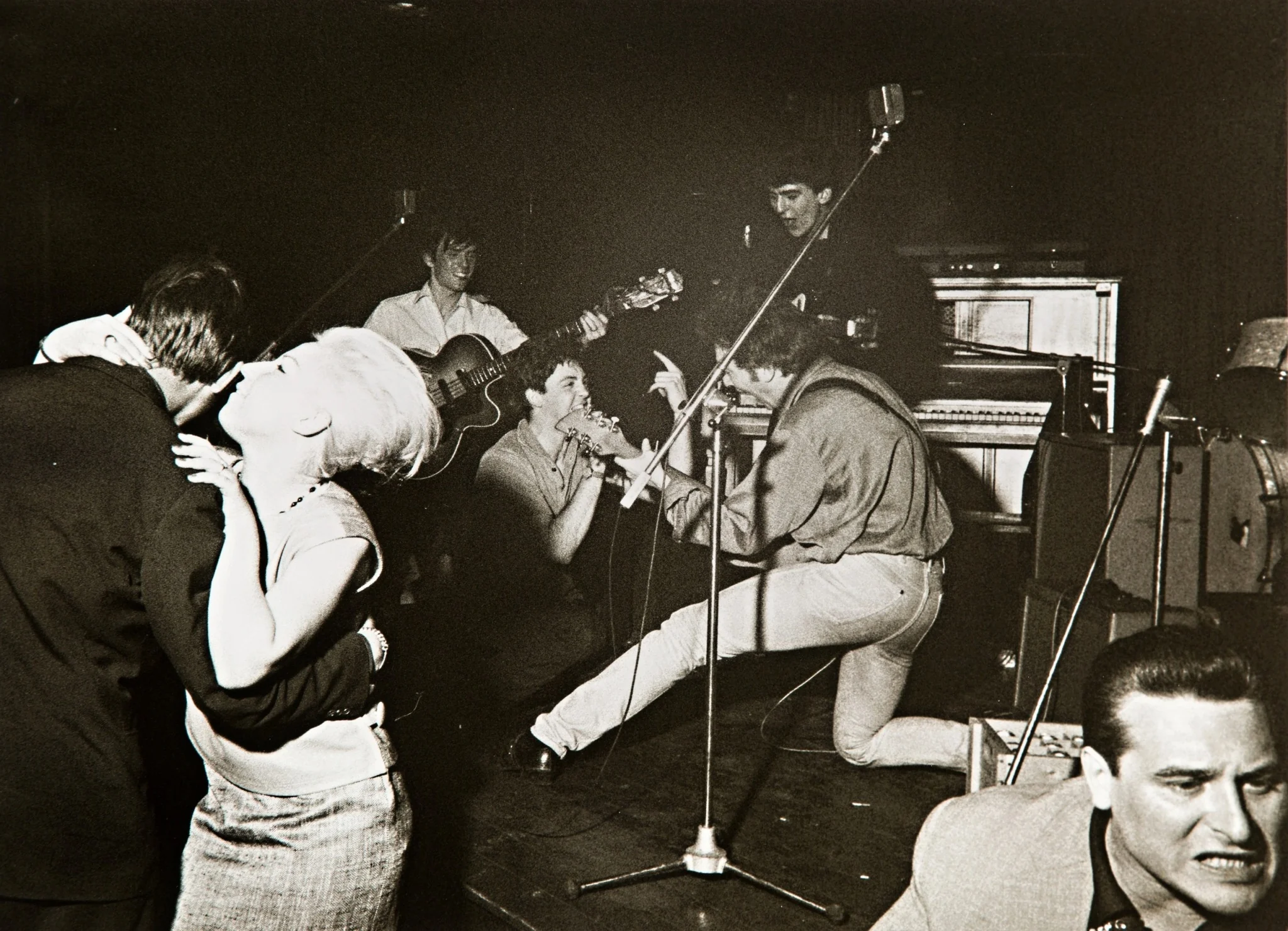
After their time at the Indra Club and the Kaiserkeller Club, The Beatles played at one of Hamburg's most famous music venues: The Top Ten Club. The club was located in the red-light district of Hamburg, and it became an essential part of The Beatles' rise to fame.
The club was a well-known spot for bands, particularly rock ‘n’ roll groups, to perform for a young, eager audience. The Top Ten Club was one of the most important places for live music in Hamburg during the early 1960s.
The Beatles' first time playing at the Top Ten Club was in 1962, after their stint at the Indra Club. They were booked by the club's owner, Peter Eckhorn, who became one of their key supporters during this period. At this time, the band was still relatively unknown outside of Liverpool, but their performances at the Top Ten Club helped them build a loyal following in Germany.
They played at the Top Ten Club from April 1962 to early 1963. This period was essential for the band’s development, as they were performing several hours a day, six days a week. This intense schedule helped them improve their live performances, and they were able to experiment with different styles of music and become a more polished act. They played a wide range of music, from early rock ‘n’ roll covers to their own developing original material.
During their time at the Top Ten Club, The Beatles underwent significant musical and personal changes. Here are some key things that happened at the Top Ten Club:
The Addition of Ringo Starr: While The Beatles initially performed with drummer Pete Best, their time in Hamburg coincided with Ringo Starr joining the band. In August 1962, Ringo replaced Pete Best as the drummer, and this marked the final, iconic lineup of The Beatles that we recognize today. Ringo’s drumming style helped shape their sound during this period and in the years that followed.
Influence of German Culture and Fans: The Beatles’ exposure to German culture and the German audience had a profound impact on their music. They played a mix of American rock ‘n’ roll hits and European pop styles, which broadened their musical range. The German fans were also known to be enthusiastic and demanding, which helped the band build resilience and showmanship.
Long Hours and Tight Performances: The Beatles often played seven-hour sets during their time in Hamburg. This schedule allowed them to develop a unique stage presence and endurance. The long hours helped them refine their tight harmonies, guitar work, and overall performance energy.
The Beatles' Reputation Grows: By the time The Beatles left Hamburg in early 1963, their reputation had grown significantly. Their tight, energetic performances and increasing confidence on stage set them apart from other bands. It was during their time at the Top Ten Club that they became known for their charismatic performances, which would later become a hallmark of their live shows around the world.
The Beatles’ time at the Top Ten Club was crucial in their development from an unknown band to an internationally recognized act. Though they had not yet reached their full potential, their Hamburg experiences were instrumental in shaping the band’s identity. The club, along with other Hamburg venues, allowed them to hone their skills in front of a live audience, which was pivotal to their success.
After leaving Hamburg in 1963, The Beatles would return to the UK and, not long afterward, achieve worldwide fame with hits like “Love Me Do” and “Please Please Me.” However, their time in Hamburg, particularly at the Top Ten Club, remained an important chapter in their early history.
In later years, The Beatles often spoke fondly of their time in Hamburg. The experience helped them grow as musicians and as a band. John Lennon famously said:
"I think we learned more in Hamburg than we did in Liverpool. Hamburg was a bit like the old school... we were just thrown in and had to play. It was an education in how to survive."
The Top Ten Club played a significant role in this “education,” providing a space for The Beatles to experiment, build their musical foundation, and establish the unique style that would later make them famous. Today, the Top Ten Club remains a symbol of that critical time in The Beatles' journey.
Though the club itself no longer exists as it did in the 1960s, the legacy of The Top Ten Club lives on as an iconic venue in Beatles history. It represents a time of hard work, growth, and musical transformation—the foundation upon which The Beatles built their legendary career.