
Blues music is one of the most influential genres in modern musical history. Its roots run deep in the soil of the American South, stemming from the rich cultural traditions of African American communities. The blues tell stories of struggle, resilience, and emotion, encapsulating the human experience in a way that few other musical forms can.
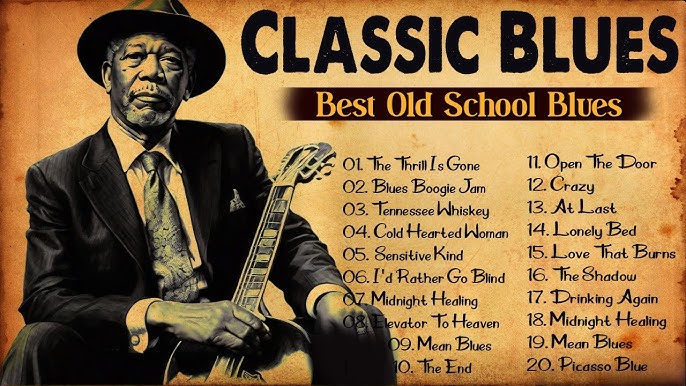
Origins of the Blues
The blues emerged in the late 19th century, deeply connected to African musical traditions, work songs, field hollers, spirituals, and folk ballads. Enslaved Africans and their descendants used music as a means of communication, emotional expression, and resistance against oppression. These early forms of music relied on call-and-response patterns, polyrhythms, and a unique sense of tonality that would later define the blues.
After the Civil War, newly freed African Americans continued to face economic and social hardships. Many found work as sharecroppers, and their struggles were reflected in the music they sang while laboring in the fields. The blues developed as a way to express sorrow, hardship, and hope, often performed with a single guitar or harmonica. The raw, emotive style of these songs would shape the sound of American music for generations.
The Rise of the Delta Blues
The Mississippi Delta is often referred to as the birthplace of the blues. In the early 20th century, musicians such as Charley Patton, Son House, and Robert Johnson pioneered the Delta blues style. Characterized by its haunting slide guitar, expressive vocals, and deep emotional themes, Delta blues laid the foundation for modern blues music.
Robert Johnson, one of the most mythologized figures in blues history, was said to have made a deal with the devil at a crossroads to acquire his exceptional guitar-playing skills. His songs, such as Cross Road Blues and Hellhound on My Trail, have inspired countless musicians and solidified his status as a blues legend.
The Expansion of the Blues
As African Americans migrated from the rural South to northern cities like Chicago, Detroit, and St. Louis in search of better opportunities, the blues evolved. The migration led to the development of new regional styles, including the Chicago blues, Texas blues, and Piedmont blues.
Chicago blues, made famous by artists like Muddy Waters, Howlin’ Wolf, and Willie Dixon, introduced electric instruments, amplifying the blues' emotional intensity. With the rise of radio and recording technology, blues music reached a broader audience, influencing rock and roll, jazz, and R&B.
The Blues and Rock ‘n’ Roll
By the 1950s and 60s, blues music had a profound impact on rock musicians. Artists like Elvis Presley, The Rolling Stones, and Led Zeppelin borrowed heavily from blues structures, guitar techniques, and lyrical themes. British musicians, particularly Eric Clapton, John Mayall, and The Yardbirds, helped revive interest in traditional blues and introduced it to new generations.
During this period, B.B. King, Albert King, and Freddie King became icons of the blues, blending traditional elements with modern electric guitar styles. Their expressive playing and heartfelt lyrics resonated with audiences worldwide.
The Modern Blues Scene
Though the blues peaked in popularity during the mid-20th century, its influence continues today. Contemporary artists like Gary Clark Jr., Joe Bonamassa, and Keb' Mo' carry the tradition forward, blending blues with rock, soul, and hip-hop. Festivals like the Chicago Blues Festival and the Mississippi Delta Blues Festival celebrate the genre’s rich history and ensure its legacy endures.
Blues music remains a powerful expression of human experience, transcending time and geography. From its humble beginnings in the fields of the South to its impact on global music, the blues is a testament to resilience, creativity, and the enduring power of song.
Main blues pionneers
Early Blues Pioneers
- Robert Johnson – Known for Cross Road Blues and Hellhound on My Trail
- Charley Patton – A founding figure of Delta blues
- Son House – Influential for his emotional singing and slide guitar
- Blind Lemon Jefferson – One of the first country blues stars
- Lead Belly – Known for Goodnight Irene and Where Did You Sleep Last Night?
Chicago & Electric Blues Legends
- Muddy Waters – Hits include Hoochie Coochie Man and Mannish Boy
- Howlin’ Wolf – Famous for Smokestack Lightnin’ and Spoonful
- Willie Dixon – A prolific songwriter and bassist for Chess Records
- John Lee Hooker – Known for Boom Boom and One Bourbon, One Scotch, One Beer
- Elmore James – Master of the slide guitar, known for Dust My Broom
Modern & Contemporary Blues Icons
- B.B. King – The "King of the Blues," famous for The Thrill Is Gone
- Albert King – Known for Born Under a Bad Sign
- Freddie King – Influenced blues-rock with songs like Hide Away
- Buddy Guy – A bridge between traditional blues and rock
- Eric Clapton – Though a rock musician, he heavily influenced blues revival
- Stevie Ray Vaughan – Revived blues in the 1980s with Pride and Joy
- Joe Bonamassa – A modern blues guitarist and singer
- Gary Clark Jr. – One of today’s leading blues musicians
Blues and Rock
1. Musical Structure
- Both blues and rock use the 12-bar blues progression, a repeating chord pattern that serves as the backbone for many songs.
- Blues-inspired pentatonic and blues scales are essential in rock music, especially for guitar solos.
2. Rhythm & Feel
- Blues rhythms, such as the shuffle beat and swing feel, carried over into early rock and roll.
- Rock sped up blues tempos and added a more aggressive, energetic feel, but the emotional depth of the blues remained.
3. Instruments & Sound
- The electric guitar became the centerpiece of both blues and rock, with blues pioneers like Muddy Waters and B.B. King influencing later rock guitarists.
- The use of distortion and overdrive in guitar tones came from blues musicians experimenting with amplification, which rock artists expanded upon.
4. Influential Blues Artists in Rock’s Development
- Chuck Berry took blues structures and added a faster beat, creating early rock and roll.
- Muddy Waters’ song Rollin’ Stone inspired The Rolling Stones’ name and sound.
- Robert Johnson, Elmore James, and Howlin’ Wolf influenced rock guitarists like Eric Clapton, Jimmy Page, and Keith Richards.
5. The British Blues Explosion
- In the 1960s, British musicians revived interest in the blues, forming bands like The Rolling Stones, Led Zeppelin, The Yardbirds, and Fleetwood Mac.
- Artists like Eric Clapton, Jeff Beck, and Jimmy Page took blues structures and infused them with louder, heavier sounds, giving birth to blues-rock and hard rock.
6. Blues-Rock and Its Legacy
- Blues-rock became a dominant force with artists like Jimi Hendrix, Cream, and Stevie Ray Vaughan blending blues techniques with rock’s energy.
- The influence continued in Southern rock (e.g., Lynyrd Skynyrd, ZZ Top) and even heavy metal, with bands like Led Zeppelin and AC/DC drawing from blues roots.
Conclusion
Blues is the foundation of rock music, providing its chord progressions, lyrical themes, and guitar techniques. While rock evolved into different subgenres, its emotional storytelling and instrumental style still carry the soul of the blues.