
Brian Jones
Early Life and Formation of The Rolling Stones
- Birth and Early Years: Brian Jones was born on February 28, 1942, in Cheltenham, England. He showed an early interest in music, particularly blues and jazz.
- Formation of The Rolling Stones: In 1962, Jones formed The Rolling Stones with Mick Jagger and Keith Richards. The band quickly gained popularity in the UK and later in the United States, becoming one of the most influential rock bands of all time.
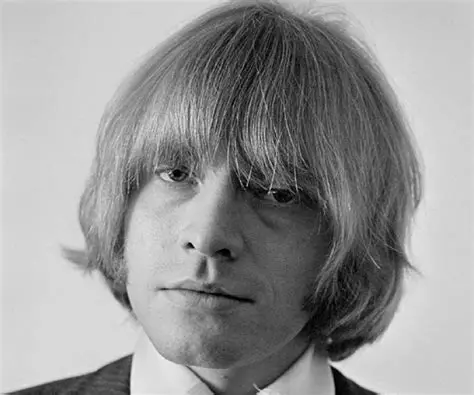
Contributions to The Rolling Stones
- Musical Versatility: Jones was known for his versatility as a musician. He played a variety of instruments, including guitar, harmonica, sitar, and keyboards.
- Early Success: The Rolling Stones achieved massive success with hits like "(I Can't Get No) Satisfaction," "Paint It Black," and "Jumpin' Jack Flash." Jones' contributions were crucial to the band's early sound and success.
Personal Struggles
- Drug Use and Legal Issues: As the band's fame grew, Jones struggled with drug use and legal issues. He was arrested multiple times for drug possession, which affected his ability to tour and record with the band.
- Declining Role: Over time, Jones' role in the band diminished as Jagger and Richards took more control over the songwriting and direction of the group.
Departure and Death
- Leaving The Rolling Stones: In June 1969, Jones officially left The Rolling Stones. The band cited musical differences and Jones' personal issues as reasons for his departure.
- Tragic Death: Just a few weeks later, on July 3, 1969, Jones was found dead in his swimming pool at his home in Sussex, England. The official cause of death was ruled as "death by misadventure," but the circumstances surrounding his death have been the subject of much speculation and controversy.
Legacy
- Influence: Despite his relatively short career, Brian Jones left a significant mark on rock music. His innovative use of various instruments and his passion for blues and jazz influenced many musicians.
- Remembrance: The Rolling Stones held a free concert in Hyde Park, London, two days after Jones' death as a tribute to him. The concert featured a release of thousands of butterflies in his memory.
Brian Jones' story is one of talent, innovation, and tragedy, and his contributions to The Rolling Stones and rock music as a whole are widely recognized and celebrated.