
The story of Janis Joplin's death is a poignant chapter in the history of rock music. Janis Joplin was a powerful and influential singer, known for her dynamic performances and raw, emotive vocals. Here's an overview of the events surrounding her untimely death:
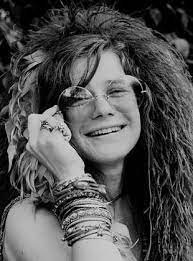
Background
Janis Joplin rose to fame in the late 1960s as the lead singer of the psychedelic rock band Big Brother and the Holding Company. Her breakthrough performance at the Monterey Pop Festival in 1967 catapulted her to stardom. After leaving Big Brother and the Holding Company, Joplin pursued a successful solo career. She formed the Kozmic Blues Band and later the Full Tilt Boogie Band, with whom she recorded her final album, Pearl.
Struggles with Addiction
Throughout her career, Joplin struggled with drug and alcohol addiction. Her powerful performances were often fueled by her intense emotions and personal struggles, which she channeled into her music. Joplin made several attempts to get clean and sober, but her battles with addiction were ongoing and well-documented.
Final Days
In the fall of 1970, Joplin was in Los Angeles recording her album Pearl with the Full Tilt Boogie Band. The sessions were productive, and the album was nearing completion. Joplin's last public appearance was on September 26, 1970, when she sang "Happy Trails" at a wake for a friend at the Landmark Motor Hotel in Hollywood.
Death
On October 4, 1970, Joplin was found dead in her room at the Landmark Motor Hotel (now the Highland Gardens Hotel) in Hollywood. She had died from an accidental heroin overdose, possibly compounded by alcohol. Joplin's body was discovered by her road manager, John Cooke, and a friend, after she failed to show up for a scheduled recording session. She was found lying on the floor beside her bed. An autopsy revealed that Joplin had injected a unusually potent batch of heroin, which was much stronger than what she was accustomed to. The official cause of death was ruled as an accidental heroin overdose.
Aftermath
Joplin's album Pearl was released posthumously in January 1971. It became a massive success, featuring hits like "Me and Bobby McGee" and "Cry Baby." The album showcased Joplin's powerful vocals and emotional depth, cementing her legacy as one of rock's greatest singers. Joplin's death at the age of 27 made her a member of the infamous "27 Club," a group of musicians who died at that age, including Jimi Hendrix, Jim Morrison, and later, Kurt Cobain and Amy Winehouse. Her powerful performances and raw emotional honesty continue to inspire musicians and fans alike. Joplin's impact on rock music is immeasurable. She paved the way for future female rock stars and her influence can be heard in the music of countless artists who followed in her footsteps.
Janis Joplin's death was a tragic loss for the music world. Her powerful voice and emotional performances left an indelible mark on rock music, and her legacy continues to inspire new generations of artists and fans