

The Armenian Genocide (1915–1923) was perpetrated by the Ottoman Empire’s Young Turk government for a combination of ideological, political, and wartime reasons. Here are the key factors that led to the genocide:
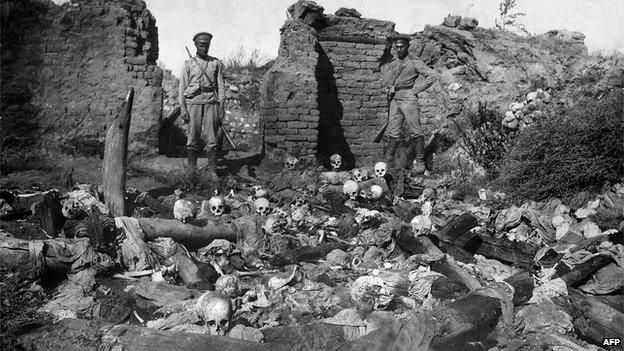
1. Nationalism and Turkification
- The Young Turk movement (Committee of Union and Progress, or CUP), which took power in 1908, promoted a radical form of Turkish nationalism. They sought to create a homogenous Turkish state, viewing non-Turkish minorities—especially Armenians—as threats to this vision.
- Armenians, as a Christian minority with a distinct cultural and religious identity, were seen as obstacles to the creation of a purely Turkish nation.
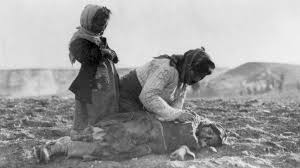
2. Wartime Paranoia and Security Concerns
- During World War I (1914–1918), the Ottoman Empire allied with Germany and Austria-Hungary. The Young Turk leadership feared that Armenians, who had historically sought autonomy or independence, would side with Russia (a Christian power and Ottoman enemy).
- The Ottoman military suffered a catastrophic defeat at the Battle of Sarikamish (1914–1915), which they blamed on Armenian "treachery." This defeat fueled paranoia and led to the disarmament and eventual deportation of Armenian soldiers and civilians.
3. Economic and Social Resentment
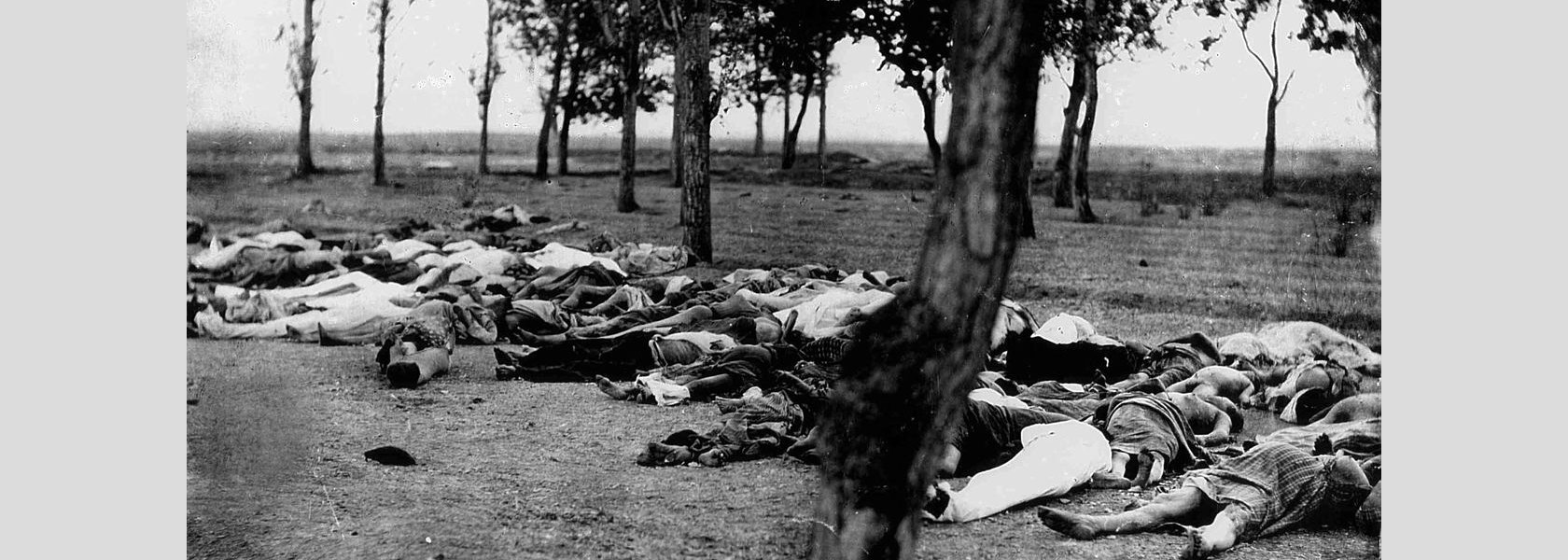
- Armenians were often more educated and economically successful than their Muslim neighbors, which bred resentment among Turkish and Kurdish populations.
- The Young Turks used this resentment to justify the confiscation of Armenian property and wealth, redistributing it to Muslim refugees and loyalists.
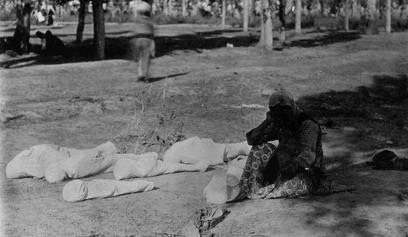
4. Ideological Influence: Pan-Turkism and Pan-Islamism
- The Young Turks were influenced by Pan-Turkism, an ideology that aimed to unite all Turkic peoples under a single state. Armenians, as non-Turks, were seen as an obstacle to this goal.
- They also promoted Pan-Islamism, seeking to rally Muslim populations against Christian minorities, whom they portrayed as internal enemies.
5. Precedent of Violence and Impunity
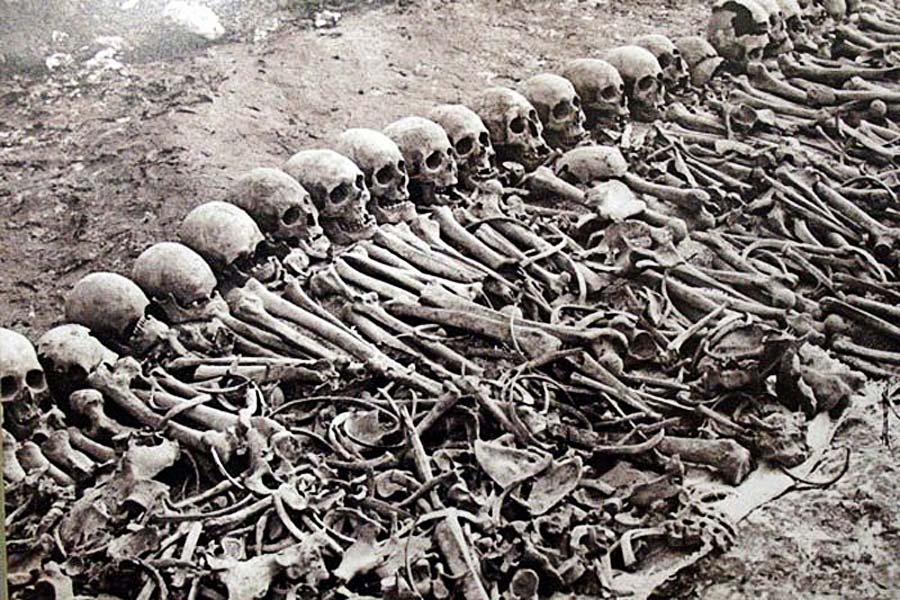
- Before the genocide, there had been massacres of Armenians in the 1890s (under Sultan Abdulhamid II), which set a precedent for violence against Armenians. The Young Turks escalated this violence to a genocidal scale, confident that the international community would not intervene during wartime.
6. Systematic Implementation
- The genocide was planned and executed by the Ottoman government:
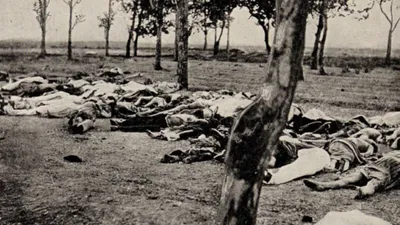
- Armenian intellectuals, community leaders, and soldiers were arrested and executed first.
- The remaining population was forcibly deported on death marches to the Syrian desert, where they were left to die of starvation, disease, or execution.
- Women and children were often kidnapped, forcibly converted to Islam, or sold into slavery.
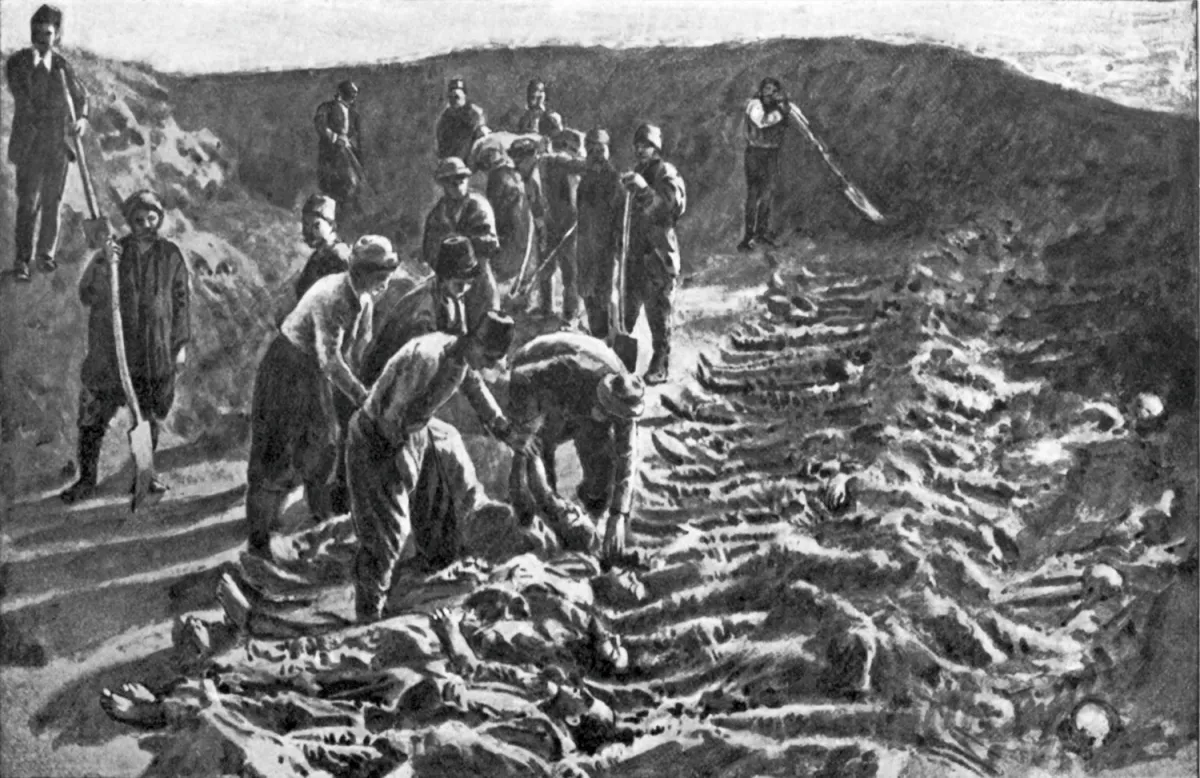
7. Denial and Legacy
- The Turkish state has consistently denied that the events constituted genocide, arguing that the deaths were a result of wartime chaos and mutual violence. However, the overwhelming consensus among historians and genocide scholars is that the Armenian Genocide was a deliberate, state-orchestrated campaign of extermination.
Why Does This Matter Today?
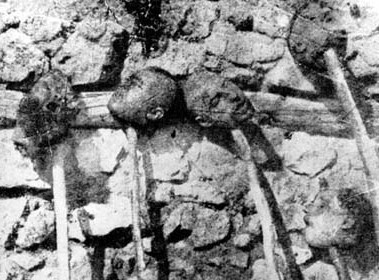
- The Armenian Genocide is recognized as one of the first modern genocides and a precursor to later atrocities, including the Holocaust.
- Its denial by the Turkish government remains a major point of contention in international relations and historical memory.