

Samuel Huntington’s most famous and controversial book is "The Clash of Civilizations and the Remaking of World Order" (1996). This work builds on his 1993 Foreign Affairs article of the same name, where he argued that the post-Cold War world would be shaped not by ideological conflicts (like capitalism vs. communism), but by cultural and civilizational divides.
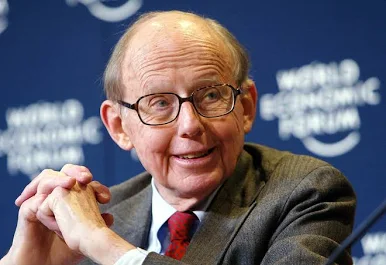
Here’s a breakdown of the book’s core ideas:
1. The Central Thesis: Civilizations, Not Nations
Huntington rejects the idea that globalization or Western liberalism would lead to a universal, homogeneous world. Instead, he argues that civilizations—broad cultural entities defined by religion, history, language, and traditions—are the primary actors in global politics. He identifies eight major civilizations:
- Western (U.S., Europe)
- Latin American
- Islamic
- Sinic (China, Vietnam, Korea)
- Hindu (India)
- Orthodox (Russia, Eastern Europe)
- Japanese
- African
2. The "Clash of Civilizations"
Huntington predicts that future conflicts will occur along the fault lines between these civilizations, rather than between nation-states. Key points:
- Islam vs. the West: He highlights tensions between Islamic and Western civilizations, citing issues like immigration, terrorism, and democratic values.
- China’s Rise: The Sinic civilization (led by China) will challenge Western dominance, especially in Asia.
- Orthodox vs. Western: Russia’s cultural and political identity will clash with Western liberalism, particularly over issues like NATO expansion.
3. The Role of the West
Huntington argues that the West (especially the U.S.) must:
- Preserve its cultural identity and avoid excessive multiculturalism, which he believes weakens national cohesion.
- Avoid universalist pretensions: The West should not assume its values (democracy, human rights, capitalism) are universally applicable or desired.
- Prepare for civilizational conflict: The West must unite to defend its interests against challenges from other civilizations, particularly Islam and China.
4. Criticism of Huntington’s Theory
Huntington’s book sparked intense debate. Critics argue:
- Over-simplification: Civilizations are not monolithic; internal diversity and hybrid identities are often ignored.
- Self-fulfilling prophecy: Emphasizing civilizational divides could exacerbate conflicts.
- Western bias: The book is accused of justifying Western dominance and demonizing non-Western cultures (e.g., Islam).
- Ignoring other divides: Economic inequality, climate change, and technology also shape global politics.
5. Legacy and Relevance Today
- Post-9/11 World: Huntington’s ideas gained traction after 9/11, as some saw the "War on Terror" as a clash between Islam and the West.
- Rise of China: His predictions about China’s challenge to Western hegemony seem prescient today.
- Populism and Identity Politics: His warnings about cultural fragmentation and the erosion of national identity resonate in debates over immigration, nationalism, and globalization.
- Critiques of Globalism: Huntington’s skepticism of a "universal civilization" aligns with contemporary critiques of globalization and liberal internationalism.
Key Quotes
- "The fault lines between civilizations will be the battle lines of the future."
- "The West won the world not by the superiority of its ideas or values or religion, but rather by its superiority in applying organized violence."
- "The survival of the West depends on Americans reaffirming their Western identity."
Why It Matters
Huntington’s book remains influential because it challenges the optimistic view of a post-Cold War "end of history" (as argued by Francis Fukuyama). Instead, it offers a pessimistic, realist vision of a world divided by deep cultural and historical differences. Whether you agree or disagree, his ideas force us to confront questions about identity, power, and the future of global order.