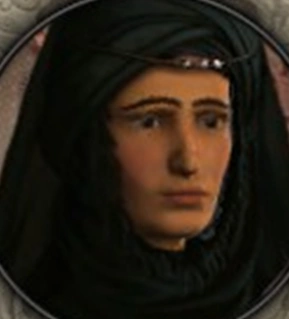
Ibn Ishaq’s Sirat Rasul Allah (The Life of the Prophet of God)
Ibn Ishaq (d. 767 CE) is one of the earliest and most important biographers of Prophet Muhammad.
In his account of the Siege of Banu Qurayza, he reports that after the tribe’s surrender, Sa’d ibn Mu‘adh—the arbitrator—ruled that the adult men who had committed treason should be executed.
Ibn Ishaq writes that around 600 to 900 men from the tribe were put to death.
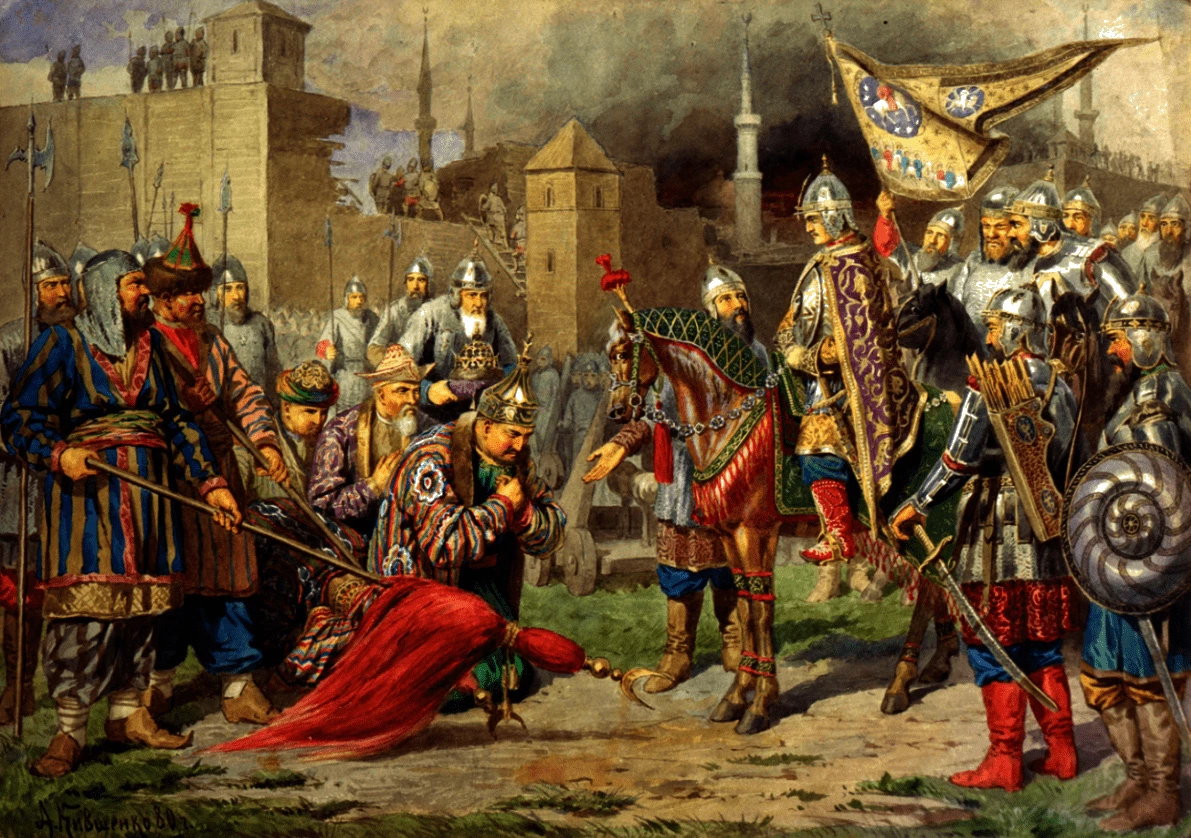
Why the Range of 600–900?
Different manuscripts and later historians give varying numbers, sometimes due to the difficulty of precise record-keeping at the time.
The estimates generally come from aggregating reported figures and interpretations of the original texts.
Some scholars suggest the lower figure (about 600) reflects those physically executed, while higher numbers (up to 900) might include other adult males of the tribe.
Additional Context
- The number refers specifically to the men deemed fighters or involved in the alleged betrayal.
- Women and children were taken captive but not executed.
This event is one of the largest mass executions recorded in early Islamic history.
Who was Safiyya bint Huyayy?
Safiyya was the daughter of Huyayy ibn Akhtab, the chief of the Banu Qurayza tribe.
After the tribe’s defeat, and the urder of all men incuding her fatehr, Safiyya was taken captive by Muslim forces.
He executed all the men of the village, including its chief. He made the chief’s daughter watch the execution, then took her as his concubine.
She later married Prophet Muhammad, becoming one of his wives.
Her marriage had political and social significance, symbolizing reconciliation and alliance with the Jewish tribes allied against the Muslims.