
"Back in the U.S.S.R." is a classic song by The Beatles, featured on their 1968 album "The Beatles" (also known as the "White Album"). The story behind its writing and recording is a fascinating blend of musical innovation, humor, and the Beatles’ signature creativity. Here’s a detailed look at the story behind "Back in the U.S.S.R.":
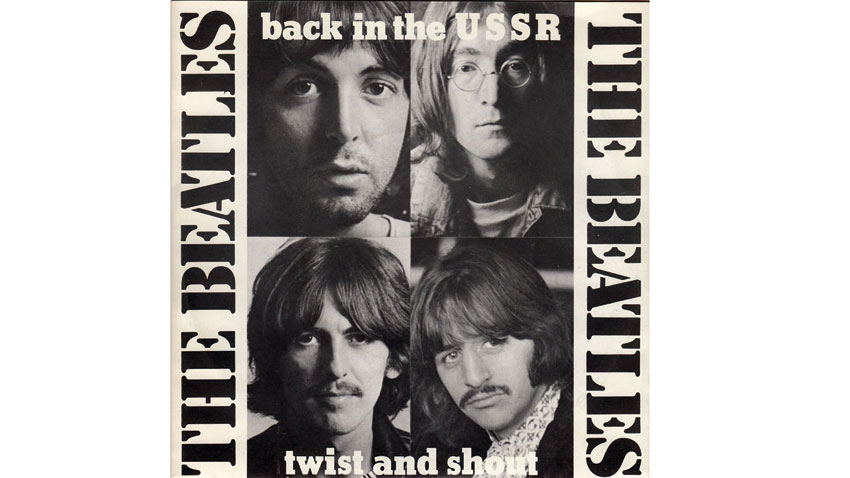
1. Inspiration and Writing
Composition:
- "Back in the U.S.S.R." was written by Paul McCartney, though it was credited to the Lennon-McCartney partnership, as was customary for Beatles songs.
- The song was inspired by Chuck Berry’s "Back in the U.S.A." and The Beach Boys’ "California Girls". McCartney wanted to create a playful, upbeat track that celebrated the idea of returning home after a journey, much like the themes in those classic rock ’n’ roll songs.
Lyrics and Meaning:
- The lyrics of "Back in the U.S.S.R." are lighthearted and humorous, using wordplay and references to the Soviet Union (U.S.S.R.) to create a fun and catchy narrative. The song’s opening lines, "Flew in from Miami Beach BOAC / Didn’t get to bed last night", set the tone for a playful and energetic track.
- The song also includes references to HOARE (a play on the British department store Harrods) and Georgia, U.S.S.R. (a play on the U.S. state of Georgia), adding to its whimsical and satirical nature.
2. Recording and Innovation
Recording Session:
- "Back in the U.S.S.R." was recorded during the "White Album" sessions, which took place between August and October 1968 at Abbey Road Studios in London.
- The song features a lively, rock ’n’ roll arrangement, with McCartney playing bass and providing lead vocals, John Lennon and George Harrison on guitars, and Ringo Starr on drums.
- The recording also includes backing vocals and handclaps, adding to the song’s energetic and celebratory feel.
Musical Style:
- "Back in the U.S.S.R." is a classic rock ’n’ roll track, showcasing the Beatles’ ability to blend different musical styles and influences. The song’s upbeat tempo, catchy melody, and playful lyrics make it a standout track on the "White Album".
3. Context and Challenges
Creative Freedom:
- The "White Album" sessions were marked by a sense of creative freedom and experimentation within the Beatles. The band was exploring new musical directions and pushing the boundaries of their sound.
- "Back in the U.S.S.R." reflects this spirit of experimentation, with its playful lyrics and energetic arrangement.
Band Dynamics:
- Despite the creative freedom of the "White Album" sessions, there were also tensions within the band. The recording of "Back in the U.S.S.R." showcases the Beatles’ ability to come together and create a cohesive and enjoyable track, even amidst personal and creative challenges.
4. Legacy
Enduring Popularity:
- "Back in the U.S.S.R." remains one of the Beatles’ most beloved and timeless songs. Its catchy melody, playful lyrics, and energetic arrangement have made it a favorite among fans and critics alike.
Cultural Impact:
- The song has been covered by numerous artists and has been featured in films, television shows, and commercials, cementing its place in popular culture.
- "Back in the U.S.S.R." is often cited as a classic example of the Beatles’ ability to blend musical innovation with humor and creativity.
5. The Album
-
Album:
- "Back in the U.S.S.R." was included on the Beatles’ self-titled double album, "The Beatles" (also known as the "White Album"), released in November 1968. The album is considered one of the band’s most experimental and diverse works, showcasing their individual talents and creative freedom.
Key Facts
- Writers: Paul McCartney (credited to Lennon-McCartney)
- Lead Vocals: Paul McCartney
- Distinctive Elements: Rock ’n’ roll arrangement, playful lyrics, energetic tempo
- Album: "The Beatles" (1968)
- Chart Performance: The album reached No. 1 in both the UK and the U.S.
Conclusion
The story of "Back in the U.S.S.R." is a testament to the Beatles’ ability to blend musical innovation with humor and creativity. From its playful lyrics to its energetic arrangement, the song remains a timeless classic and a reflection of the band’s enduring influence on music and culture. It is a standout track on the "White Album" and a favorite among fans for its catchy melody and upbeat spirit.