
The story behind "Abbey Road," the iconic album by The Beatles, is a fascinating blend of musical innovation, personal dynamics, and the culmination of the band's creative journey. Released in 1969, "Abbey Road" is often considered one of the greatest albums in music history. Here's a detailed look at the story behind this legendary album:
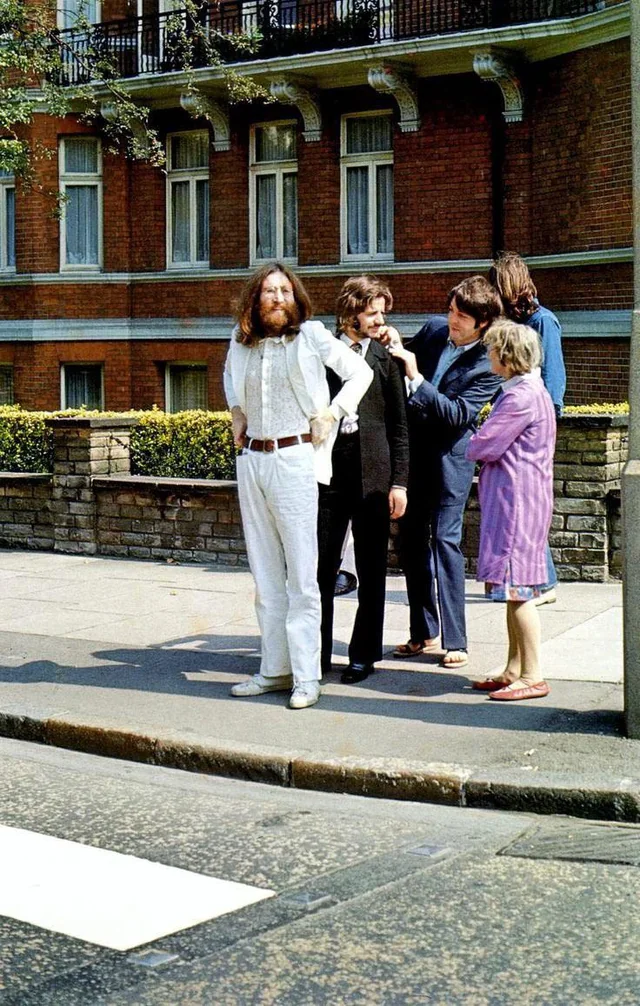
Context and Background
Pre-Abbey Road Tensions:
- By the late 1960s, The Beatles were facing significant internal tensions. The band members were pursuing individual projects and had grown apart in many ways.
- The recording of the "White Album" (1968) had been marked by disagreements and creative differences.
- The failed "Get Back" sessions in early 1969, which were intended to be a return to their roots, further highlighted the challenges within the group.
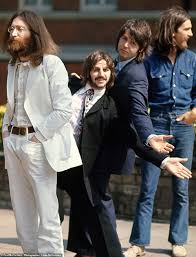
Decision to Record a New Album:
- Despite the tensions, the band decided to record a new album. George Martin, their longtime producer, played a crucial role in bringing the band together for what would become "Abbey Road."
Recording Sessions
Return to Abbey Road Studios:
- The album was recorded at Abbey Road Studios in London, a place where the band had created some of their most iconic works.
- The sessions began in February 1969 and continued through August 1969.
Collaborative Effort:
- Unlike the "White Album," which featured more individual contributions, "Abbey Road" was a more collaborative effort.
- The band members worked together to create a cohesive album, with each member contributing significantly to the songwriting and recording process.
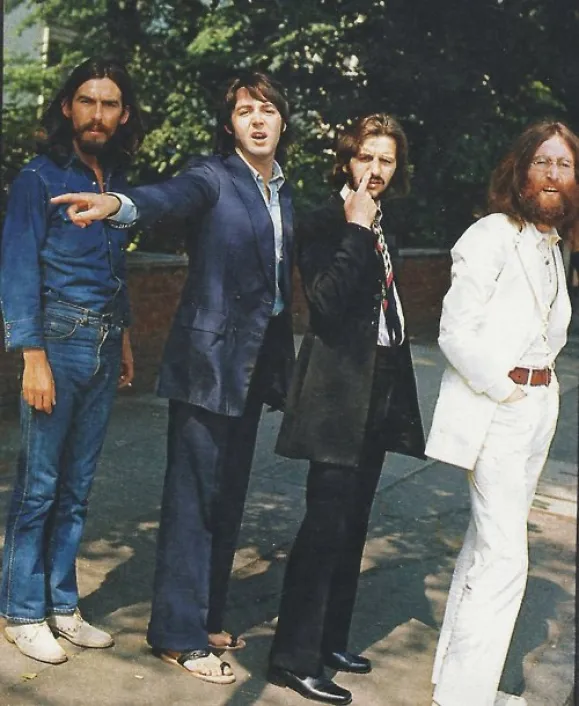
Innovative Recording Techniques:
- "Abbey Road" is known for its innovative recording techniques and production. George Martin and the band experimented with new sounds and technologies, including the use of the Moog synthesizer and advanced studio techniques.
- The album features intricate arrangements, complex harmonies, and a blend of rock, pop, and experimental music.
Iconic Songs and Medley
Iconic Songs:
- "Come Together": A blues-rock track written by John Lennon, featuring memorable lyrics and a distinctive bass line.
- "Something": A beautiful love song written by George Harrison, which became one of his most famous compositions.
- "Here Comes the Sun": Another Harrison composition, this uplifting and optimistic song became a classic.
- "Octopus's Garden": A whimsical and charming song written by Ringo Starr, showcasing his songwriting abilities.
The Medley:
- The second side of the album features a medley of songs that flow seamlessly into one another. This medley includes tracks like "You Never Give Me Your Money," "She Came In Through the Bathroom Window," "Golden Slumbers," "Carry That Weight," and "The End."
- The medley showcases the band's ability to create a cohesive musical experience and is often cited as a highlight of the album.
Album Cover
-
Iconic Cover Art:
- The album cover, featuring the band members walking across the zebra crossing outside Abbey Road Studios, has become one of the most famous images in music history.
- The cover was designed by Apple Records creative director Kosh and photographed by Iain Macmillan.
- The image has been widely imitated and parodied, and the crossing itself has become a popular tourist attraction.
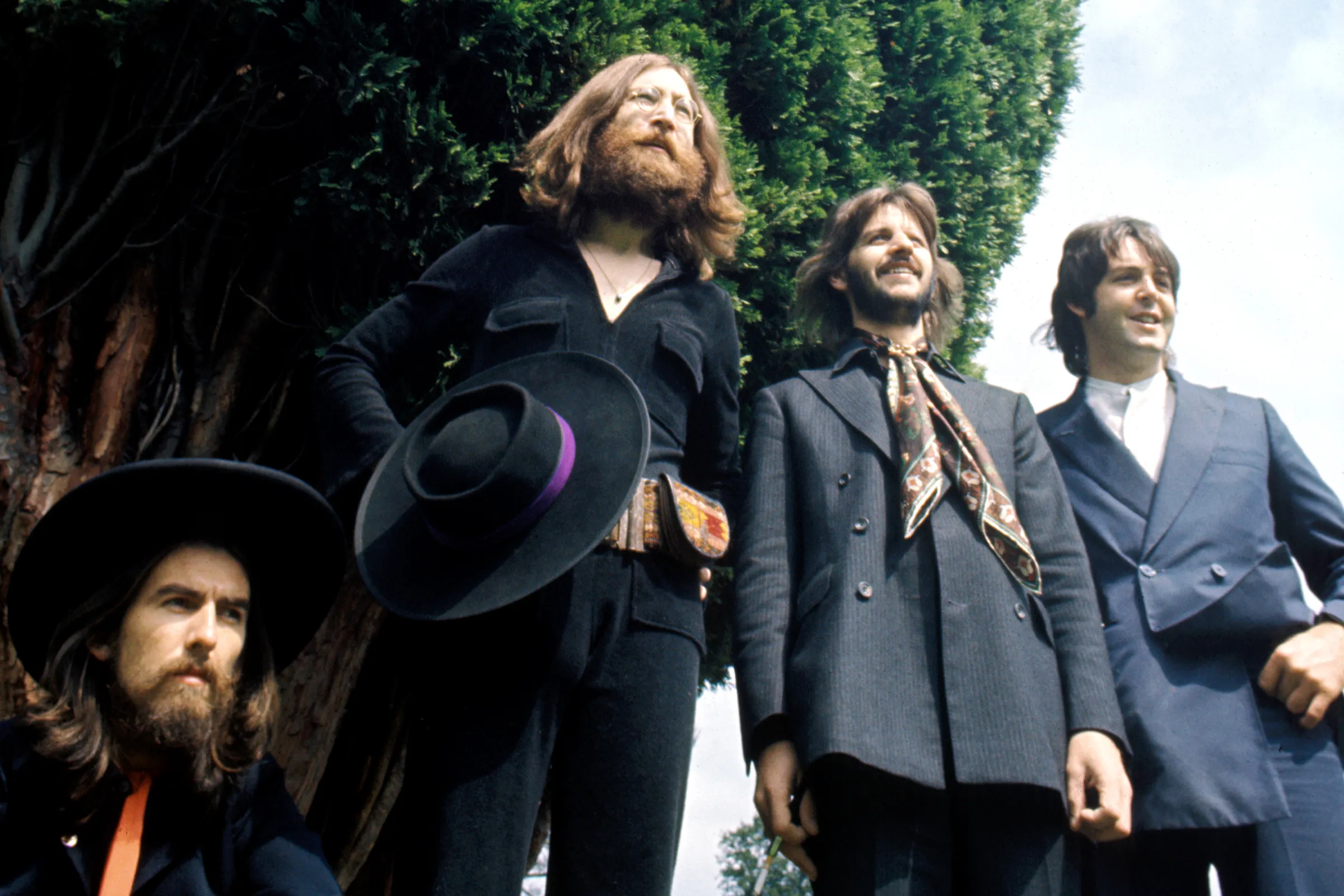
Release and Impact
Release:
- "Abbey Road" was released on September 26, 1969, in the UK and on October 1, 1969, in the US.
- The album received critical acclaim and commercial success, reaching number one on the charts in both the UK and the US.
Legacy:
- "Abbey Road" is often considered one of the greatest albums in music history. It has been praised for its musical innovation, cohesive structure, and enduring appeal.
- The album has sold millions of copies worldwide and continues to be celebrated by fans and critics alike.
Conclusion
"Abbey Road" is a testament to the creative genius of The Beatles and their ability to overcome internal tensions to produce a masterpiece. The album's innovative recording techniques, iconic songs, and memorable cover art have left a lasting impact on the music industry. Despite the challenges faced by the band during this period, "Abbey Road" stands as a shining example of their musical prowess and enduring legacy.
To go forward with David BENETT
ABBEY ROAD
Side One
- Come Together
- Something
- Maxwell's Silver Hammer
- Oh! Darling
- Octopus's Garden
- I Want You (She's So Heavy)
Side Two (Medley)
- Here Comes the Sun
- Because
- You Never Give Me Your Money
- Sun King
- Mean Mr. Mustard
- Polythene Pam
- She Came In Through the Bathroom Window
- Golden Slumbers
- Carry That Weight
- The End
- Her Majesty (Hidden track)
The meydley on Abbey Road
The medley on the second side of The Beatles' album "Abbey Road" is one of the most celebrated and innovative sequences in music history. Often referred to as "The Long Medley," it consists of a series of songs that flow seamlessly into one another, creating a cohesive and captivating musical experience. Here's the story behind The Medley:
Concept and Inspiration
Idea of a Medley:
- The idea for a medley came from Paul McCartney, who envisioned a suite of songs that would blend together to create a continuous musical journey.
- The concept was inspired by the desire to create something unique and innovative for the album.
Collaborative Effort:
- Although the idea originated with McCartney, the medley was a collaborative effort involving all members of the band.
- Each member contributed to the songwriting and arrangement of the medley, resulting in a diverse and rich musical tapestry.
Structure and Songs
Opening Songs:
- The medley begins with "You Never Give Me Your Money", a song that addresses the themes of money and materialism.
- This is followed by "Sun King", a brief, atmospheric piece that serves as a transition to the next song.
Middle Section:
- "Mean Mr. Mustard" is a character-driven song that tells the story of a miserly man.
- "Polythene Pam" is a playful and whimsical track that continues the narrative of "Mean Mr. Mustard."
- "She Came In Through the Bathroom Window" is a lively and upbeat song that adds a touch of humor and energy to the medley.
Climax and Resolution:
- "Golden Slumbers" is a beautiful and melodic piece that serves as a bridge to the next song.
- "Carry That Weight" is a powerful and emotive track that addresses the themes of burden and responsibility.
- "The End" is the climactic finale of the medley, featuring a memorable guitar solo and the famous line, "And in the end, the love you take is equal to the love you make."
Recording and Production
Innovative Techniques:
- The medley was recorded using innovative studio techniques, including the use of tape loops, overdubs, and sound effects.
- George Martin, the band's producer, played a crucial role in helping to realize the band's vision for the medley.
Seamless Transitions:
- The songs in the medley are seamlessly connected, with each track flowing naturally into the next.
- This was achieved through careful arrangement and production, ensuring that the transitions were smooth and cohesive.
Legacy and Impact
Critical Acclaim:
- The medley on "Abbey Road" has been widely praised for its creativity, innovation, and musical excellence.
- It is often cited as one of the highlights of the album and a testament to the band's songwriting and musical prowess.
Influence:
- The medley has influenced countless artists and bands, inspiring them to experiment with new musical structures and arrangements.
- It remains a beloved and iconic part of The Beatles' legacy.
Conclusion
The medley on the second side of "Abbey Road" is a testament to The Beatles' creativity, innovation, and musical excellence. Conceived as a suite of songs that flow seamlessly into one another, the medley showcases the band's ability to create a cohesive and captivating musical experience. From its opening songs to its climactic finale, the medley is a journey through a diverse and rich musical landscape. Its innovative recording techniques, seamless transitions, and enduring appeal have made it one of the most celebrated and influential sequences in music history.
Focus on Here come the sun (Georges HARRISON)
"Here Comes the Sun" is one of the most beloved and enduring songs by The Beatles, and its success can be attributed to several key factors. Written by George Harrison, the song has resonated with audiences for decades due to its musical qualities, emotional appeal, and universal themes. Here’s an explanation of the success of "Here Comes the Sun":
1. Musical Beauty and Simplicity
- Melody: The song features a beautifully crafted melody that is both memorable and uplifting. Its simplicity makes it accessible to a wide audience, while its subtle complexities keep it engaging.
- Harmonies: The harmonies in the song are rich and soothing, adding depth to the overall sound. The Beatles' signature vocal harmonies are particularly evident in this track.
- Instrumentation: The use of acoustic guitar, Moog synthesizer, and subtle percussion creates a warm and inviting atmosphere. The arrangement is both intimate and expansive, contributing to the song's timeless appeal.
2. Emotional Resonance
-
Lyrics: The lyrics of "Here Comes the Sun" convey a sense of hope and optimism after a period of darkness or difficulty. This universal theme resonates with listeners, as it speaks to the human experience of overcoming challenges.
- Key lines like "Little darling, it's been a long cold lonely winter" and "Little darling, it feels like years since it's been here" capture a sense of relief and renewal.
- Timing: The song was released during a tumultuous period for The Beatles, marked by internal tensions and the breakup of their collaborative dynamic. Despite this, "Here Comes the Sun" stands out as a beacon of hope and unity.
3. Universal Appeal
- Timeless Message: The song's message of hope and the arrival of better times is universal and enduring. It transcends generations and cultural boundaries, making it relatable to people of all ages and backgrounds.
- Cultural Impact: "Here Comes the Sun" has been covered by numerous artists and has been featured in films, TV shows, and advertisements, further cementing its place in popular culture.
4. George Harrison’s Contribution
- Songwriting: George Harrison’s songwriting often explored spiritual and philosophical themes, and "Here Comes the Sun" is no exception. His ability to convey deep emotions through simple, poetic lyrics is a hallmark of his work.
- Personal Touch: Harrison wrote the song while taking a break from the tense recording sessions for the "White Album." The song reflects his desire for peace and relief, which resonates with listeners on a personal level.
5. Production and Innovation
- Moog Synthesizer: The use of the Moog synthesizer in the song was innovative for its time and added a unique texture to the track. This subtle electronic element gives the song a modern edge while maintaining its acoustic warmth.
- Arrangement: The song’s arrangement is meticulously crafted, with layers of instruments and vocals blending seamlessly to create a rich and immersive soundscape.
6. Enduring Legacy
- Cover Versions: The song has been covered by countless artists across various genres, from pop and rock to jazz and classical. These covers have helped introduce the song to new audiences and kept it relevant over the years.
- Streaming and Sales: "Here Comes the Sun" continues to be one of the most streamed and downloaded Beatles songs, reflecting its enduring popularity.
Conclusion
The success of "Here Comes the Sun" can be attributed to its beautiful melody, universal themes of hope and renewal, emotional resonance, and innovative production. George Harrison’s songwriting and the band’s exceptional musicianship created a timeless classic that continues to inspire and uplift listeners around the world. Its enduring legacy is a testament to the enduring power of The Beatles’ music and their ability to connect with audiences on a deeply personal level.
Here come the sun Tabs
D                             G                  A7

 Little darling, it's been a long, cold, lonely winter

D                                G                     A7

 Little darling, it feels like years since it's been here

[Chorus]

D

  Here comes the sun (doo doo doo doo)

G                 E7

  Here comes the sun

          D

And I say   it's alright


[Instrumental]


e|----------0--------0--------0--------0--------------|

B|-------3--------3--------3--------3-----3--2--0-----|

G|--2/4--------2--------0--------2-----------------2--|

D|----------------------------------------------------|

A|----------------------------------------------------|

E|----------------------------------------------------|


e|----2-----0--2-------------------0---|

B|-3-----3---------0--2--0--2--3--(2)--|

G|-2---------------0-------------------|

D|-0---------------2-------------------|

A|-----------------0-------------------|

E|-------------------------------------|

[Verse 2]

D                              G                  A7

 Little darling, the smile's returning to their faces,

D                               G                      A7

 Little darling, it seems like years since it's been here


[Chorus]


D

  Here comes the sun (doo doo doo doo)

G                 E7

  Here comes the sun

          D

And I say  it's alright


[Instrumental]


e|----------0--------0--------0--------0--------------|

B|-------3--------3--------3--------3-----3--2--0-----|

G|--2/4--------2--------0--------2-----------------2--|

D|----------------------------------------------------|

A|----------------------------------------------------|

E|----------------------------------------------------|


e|----2-----0--2----------------------|

B|-3-----3---------0--2---------------|

G|-2---------------0--0---------------|

D|-0---------------2--2----2*---------|

A|-----------------0--0----0*---------|

E|------------------------------------|


[Bridge]


E|--------------------------------------------2-----|

B|-----------------1--------------------------3--2--|

G|--------------2-----------0--------0--------2--0--|

D|--------2--3-----------2--------0-----------0--2--|

A|--0--4--------------3--------2-----------2-----0--|

E|--------------------------------------3-----------|


F     C   G/B   G        D       A7

Sun, sun, sun, here it comes        (x5)


A7 A7sus4 A7


[Verse 3]


D                             G               A7

 Little darling, I feel that ice is slowly melting,

D                               G                       A7

 Little darling, it seems like years since it's been clear


[Chorus]


D

  Here comes the sun

G                E7

  Here comes the sun

           D

And I say    it's alright


[Instrumental]


e|----------0--------0--------0--------0--------------|

B|-------3--------3--------3--------3-----3--2--0-----|

G|--2/4--------2--------0--------2-----------------2--|

D|----------------------------------------------------|

A|----------------------------------------------------|

E|----------------------------------------------------|


[Chorus]


D

  Here comes the sun.

G                E7

  Here comes the sun

         D

           It's alright


[Instrumental]


e|----------0--------0--------0--------0--------------|

B|-------3--------3--------3--------3-----3--2--0-----|

G|--2/4--------2--------0--------2-----------------2--|

D|----------------------------------------------------|

A|----------------------------------------------------|

E|----------------------------------------------------|


[Outro]


D

It's alright


e|----------0--------0--------0--------0--------------|

B|-------3--------3--------3--------3-----3--2--0-----|

G|--2/4--------2--------0--------2-----------------2--|

D|----------------------------------------------------|

A|----------------------------------------------------|

E|----------------------------------------------------|


E|-----------------------------------2-----|

B|--------1--------------------------3-----|

G|-----2-----------0--------0--------2-----|

D|--3-----------2--------0-----------0-----|

A|-----------3--------2-----------2--------|

E|-----------------------------3-----------|