
The relationship between The Beatles and The Rolling Stones is one of the most fascinating in rock history. While the two bands are often seen as rivals, their influence on each other was mutually beneficial, especially during the early years of their careers. The Beatles and The Rolling Stones helped shape each other's musical paths in subtle but significant ways, influencing each other’s sound, style, and approach to the music business.
The Beatles and The Rolling Stones first crossed paths in the early 1960s in London. At the time, both bands were emerging forces in the British rock and roll scene. The Beatles had already achieved a level of fame in 1963 when The Rolling Stones were just starting out. The Stones, led by Mick Jagger and Keith Richards, were heavily influenced by American blues and rock and roll artists like Chuck Berry, Muddy Waters, and Howlin’ Wolf. They sought to bring that raw, gritty sound to the British audience, distinguishing themselves from the more polished, pop-oriented Beatles sound.
While both bands were inspired by similar early influences, it was clear that the Stones’ sound was more rooted in the blues and rhythm and blues traditions, while The Beatles had a broader range of influences, from skiffle to classical music.
However, the two bands were closely linked in their musical journeys. The Rolling Stones openly admired The Beatles' musical creativity and success, and there was a sense of mutual respect, despite the media’s attempt to pit them against each other.
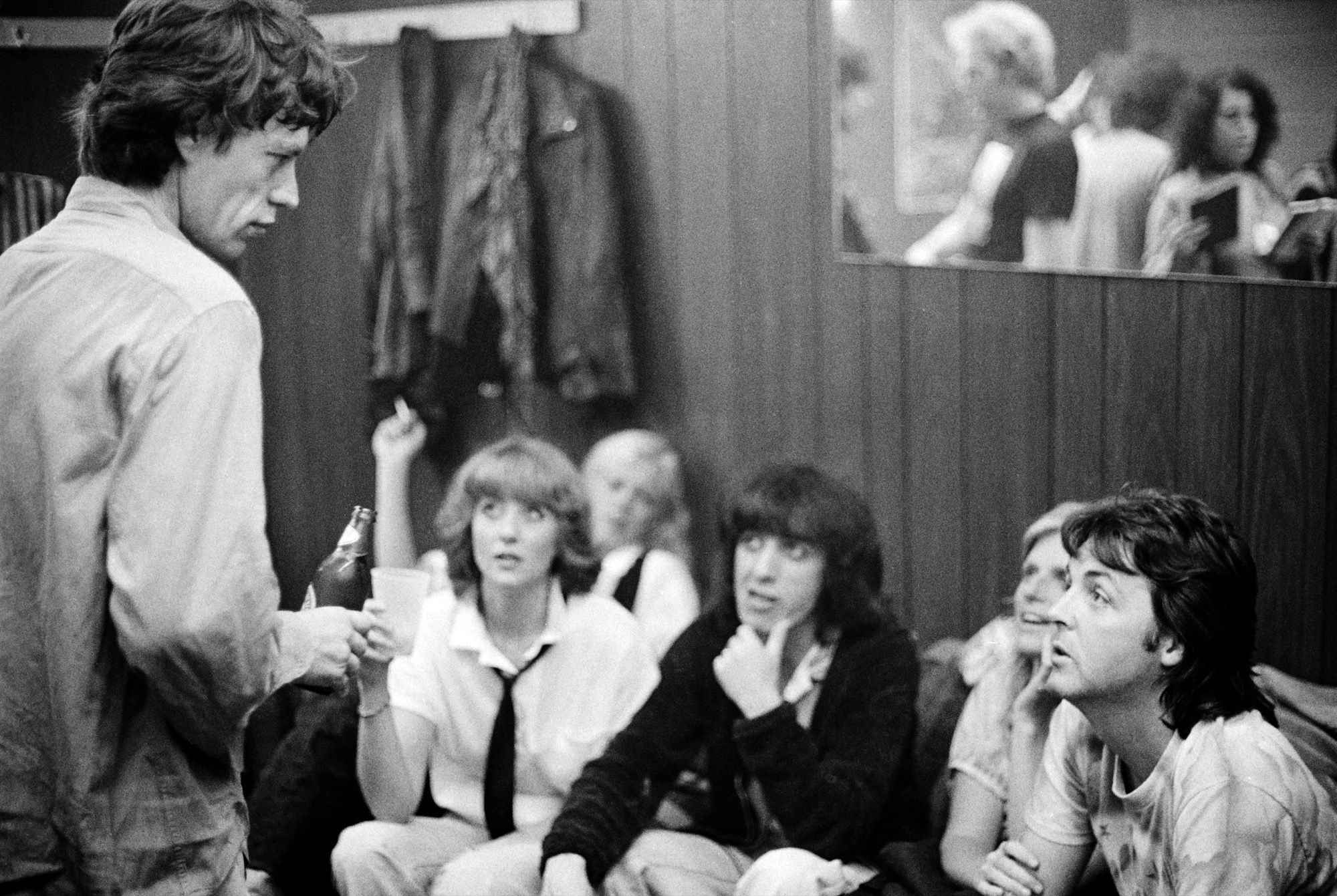
The Beatles’ influence on The Rolling Stones is particularly evident in the early days of their career. The Stones looked to The Beatles’ experimental approach to music, their songwriting ability, and their use of the studio to expand their sound.
Songwriting and Composition: One of the most significant ways The Beatles influenced The Rolling Stones was in the realm of songwriting. Prior to the success of The Beatles, many bands relied heavily on covers of American blues, rock, and pop songs. The Beatles, however, began to establish themselves as a band that wrote their own material from the very start, and this was something that Mick Jagger and Keith Richards took notice of. The Rolling Stones began writing more of their own songs, following The Beatles’ example.
Jagger and Richards have said that they were particularly influenced by the way John Lennon and Paul McCartney composed together. They admired the way the two Beatles collaborated and were driven to create their own original music. It was only after hearing The Beatles' success with original songs that the Stones began to compose their own hits like “(I Can’t Get No) Satisfaction” and “As Tears Go By.”
Studio Experimentation: The Beatles were pioneers when it came to studio innovation. Albums like “Rubber Soul”, “Revolver”, and “Sgt. Pepper’s Lonely Hearts Club Band” showed The Beatles experimenting with new sounds, techniques, and instruments. This approach to studio work had a profound effect on The Rolling Stones, who were primarily a live band in their early years.
With albums like “Between the Buttons” (1967) and “Their Satanic Majesties Request” (1967), The Rolling Stones started experimenting with different recording techniques, orchestration, and a more psychedelic sound, which was heavily influenced by The Beatles’ work on “Sgt. Pepper”. For example, “She’s a Rainbow” from “Their Satanic Majesties Request” features lush, colorful orchestration that can be seen as a response to The Beatles' colorful and intricate arrangements.
The Beatles’ Approach to Pop Music: The Beatles revolutionized pop music, taking it from simple love songs to more complex, thoughtful compositions that could convey a range of emotions and themes. This expansion of the pop music vocabulary influenced The Rolling Stones as they moved beyond simple blues covers and started writing more complex, introspective songs.
Early Rolling Stones songs like “As Tears Go By” and “Lady Jane” show a more sophisticated approach, both in terms of lyrics and instrumentation. The Stones, while still rooted in blues and rock, started adding chamber pop elements, much like The Beatles did, in order to create more emotionally resonant songs.
Image and Aesthetic: The Beatles also had an impact on the Rolling Stones’ image, although in a somewhat different way. The Beatles started out as a clean-cut, charming group, but as their fame grew, they embraced a more avant-garde and rebellious image, particularly in their later years. The Rolling Stones, who were known for their raw energy and rebellious attitude from the start, found a way to develop an image that both contrasted with and responded to The Beatles' evolving public persona.
In a sense, The Beatles' shift towards psychedelia and counterculture in the mid-60s gave The Rolling Stones the permission to lean into their more raw, rebellious side. This contrast helped define the two bands and their positions in the cultural landscape. While The Beatles became more introspective and experimental, the Stones kept their rebellious edge, embracing their blues roots and rock 'n' roll authenticity.
While The Beatles had a huge influence on the Rolling Stones’ music and style, the Stones also had a competitive edge that fueled both bands. Mick Jagger and Keith Richards were known to be fiercely competitive, and this spirit of rivalry helped push them to innovate and create some of their best work. While The Beatles were expanding their sound, The Rolling Stones were also pushing boundaries with their music, producing some of the most iconic rock albums of the 60s and beyond.
However, despite the rivalry, the two bands had a strong mutual respect. In fact, The Rolling Stones had great admiration for The Beatles' ability to reinvent themselves, and in turn, The Beatles admired the rawness and authenticity of the Rolling Stones’ approach to rock and roll.
The Beatles and The Rolling Stones were central to the development of modern rock music, and their influence on each other helped shape the direction of popular music. Both bands were pioneers in songwriting, studio experimentation, and musical diversity. The Beatles showed The Rolling Stones the importance of writing original songs, while The Rolling Stones inspired The Beatles to embrace a more rebellious, raw edge in their image and sound.
In the end, The Beatles and The Rolling Stones may have been rivals in the eyes of the media, but their mutual influence and respect for each other created an enduring legacy that shaped the history of rock music.