
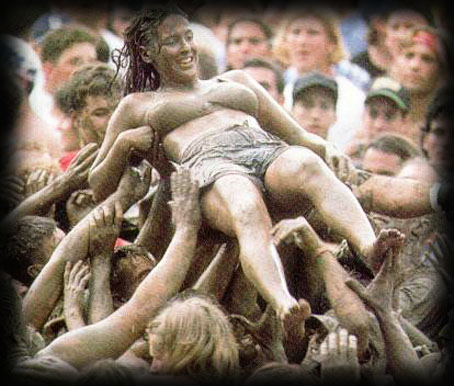
The Woodstock Music & Art Fair, commonly known as Woodstock, was a historic music festival that took place from August 15 to August 18, 1969, on a dairy farm in Bethel, New York. The event is widely regarded as a pivotal moment in music history and a defining event of the counterculture generation of the 1960s.
Background
The festival was organized by Michael Lang, Artie Kornfeld, Joel Rosenman, and John P. Roberts. Initially planned as a profit-making venture, Woodstock evolved into a free concert as the organizers struggled to manage the overwhelming number of attendees. The festival was originally intended to be held in Woodstock, New York, but after facing opposition from local residents, the venue was moved to Max Yasgur's farm in Bethel.
The Festival
Woodstock attracted an estimated 400,000 people, far exceeding the organizers' expectations. The festival featured performances by some of the most iconic musicians of the era, including Jimi Hendrix, Janis Joplin, The Who, The Grateful Dead, Santana, and many others. The event was marked by a spirit of peace, love, and community, despite the challenges posed by the large crowd and limited resources.
Impact
Woodstock became a symbol of the hippie movement and the counterculture of the 1960s. The festival highlighted the power of music to bring people together and promote social change. The documentary film "Woodstock," released in 1970, captured the essence of the event and further cemented its place in history.
Legacy
The legacy of Woodstock continues to influence music and popular culture. The festival has inspired numerous other music events and has become synonymous with the ideals of peace, love, and unity. The site of the original festival is now home to the Bethel Woods Center for the Arts, which hosts concerts and cultural events.
Woodstock remains a significant moment in American history, representing a time of social and political upheaval and the power of music to inspire and unite people.
Artists list
The Woodstock Music & Art Fair, held from August 15 to August 18, 1969, featured an impressive lineup of 32 acts. Here is a list of some of the notable artists and bands that performed at the festival:
- Richie Havens - Known for his impromptu performance of "Freedom," which he created on the spot after running out of prepared songs
- Sweetwater - The second band to perform at Woodstock, they played on Friday afternoon.
- Ravi Shankar - The Indian sitar maestro who introduced his music to the Western world
- Joan Baez - A prominent folk singer who was six months pregnant during her performance
- Santana - Delivered an iconic set that included their hit “Soul Sacrifice”
- Grateful Dead - Known for their psychedelic rock, although their set at Woodstock was not one of their best
- Janis Joplin - Performed with The Kozmic Blues Band, showcasing her powerful vocals
- The Who - Played a memorable set that included songs from their rock opera “Tommy”
- Joe Cocker - Backed by the Grease Band, his performance was notable for its energy and passion
- Crosby, Stills, Nash & Young - Made their second-ever live performance at Woodstock, highlighting their harmonious vocals and musical prowess
- Jimi Hendrix - Closed the festival on Monday morning with a legendary set, including his iconic rendition of “The Star-Spangled Banner”
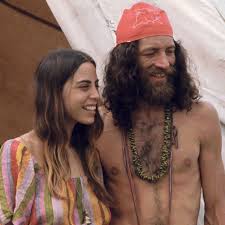
These artists, among others, contributed to the historic and cultural significance of the Woodstock festival, making it one of the most memorable events in music history.
Impact of Woodstock
The Woodstock Music & Art Fair, held from August 15 to August 18, 1969, had a profound and enduring impact on American culture and society. Here are some key reasons why Woodstock was so impactful:
Cultural Symbolism: Woodstock became a symbol of the counterculture movement of the 1960s, embodying the ideals of peace, love, and unity. The festival represented a moment when hundreds of thousands of people came together to celebrate music and shared values, despite the challenges and chaos of the event
Musical Legacy: The festival featured iconic performances by some of the most influential musicians of the era, including Jimi Hendrix, Janis Joplin, The Who, and Santana. These performances have become legendary and continue to be celebrated in music history
Documentary and Media Coverage: The 1970 documentary film "Woodstock" and its accompanying soundtrack album played a significant role in reinforcing the festival's legacy. The film captured the spirit of the event and introduced it to a wider audience, helping to shape the public's perception of Woodstock
Social and Political Impact: Woodstock occurred during a time of significant social and political unrest in the United States. The festival provided a space for young people to express their dissatisfaction with the status quo and to advocate for change. The event highlighted the power of music to inspire social activism and challenge mainstream norms
Enduring Influence: The values and ideals promoted at Woodstock continue to resonate today. The festival serves as a point of reference for the enduring power of music to inspire change and shape the world around us. It has influenced subsequent generations and remains a touchstone for discussions about the counterculture movement and its impact on society
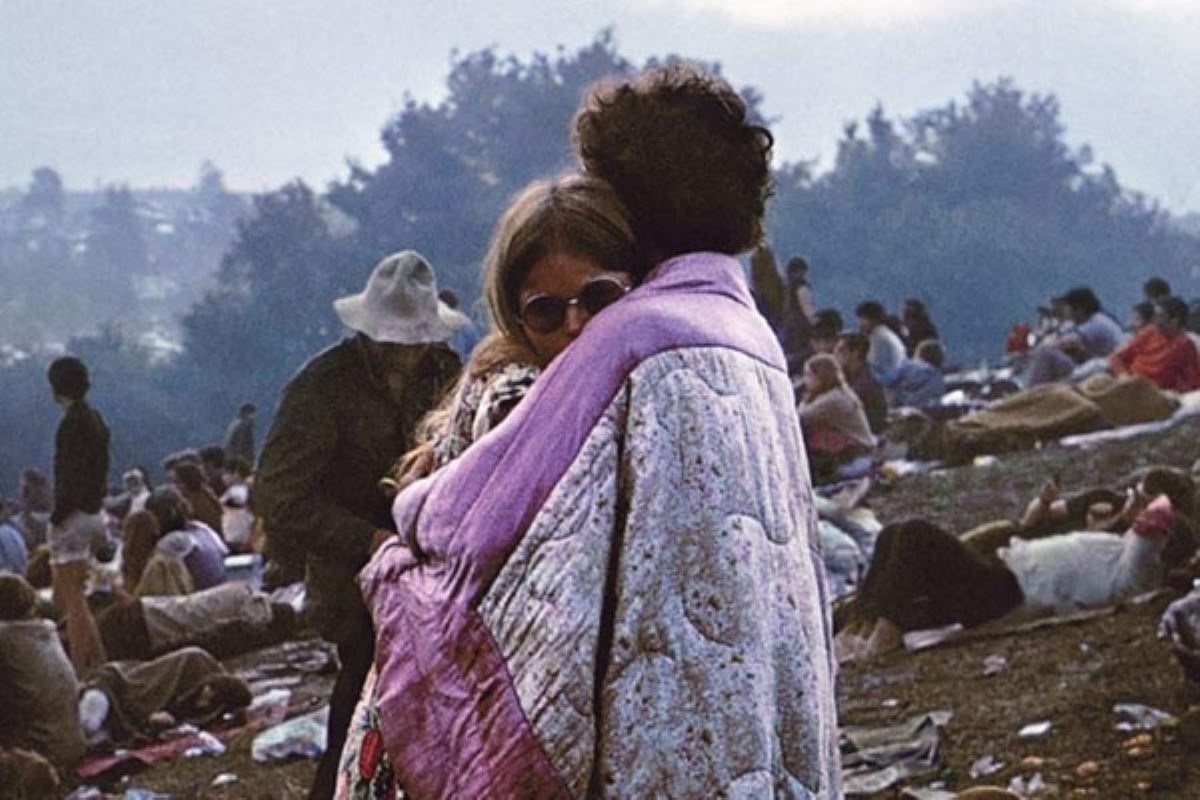
Historic Significance: Woodstock is often listed among the most important events in rock and roll history. It is recognized for its role in shaping the worldviews, social consciences, and musical tastes of thousands of people who are now in leadership roles in various segments of American life
Community and Unity: Despite the challenges, including rain, mud, and logistical issues, the festival fostered a sense of community and unity among attendees. This spirit of togetherness has become an enduring legacy of Woodstock
In summary, Woodstock's impact goes beyond just a music festival. It represents a cultural moment that continues to influence music, society, and the collective memory of a generation.