

The Hebron massacre of 1929 was a pivotal and tragic event during the British Mandate for Palestine. On August 23–24, 1929, Arab mobs attacked the Jewish community in Hebron, killing 67 Jews and wounding many more. The violence was part of the broader 1929 Palestine riots, which saw a total of 133 Jews and 110 Arabs killed across the region, with most Arab casualties resulting from British security forces’ interventions
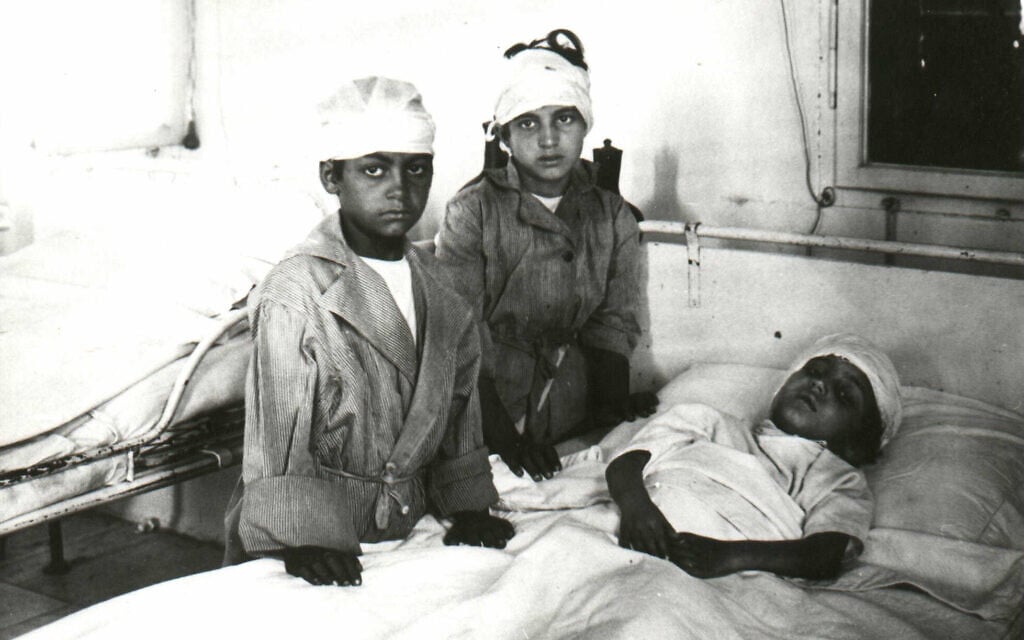
.
Background and Causes:
- Tensions had been rising due to increased Jewish immigration and disputes over access to religious sites, particularly the Western Wall in Jerusalem. The Grand Mufti of Jerusalem, Haj Amin al-Husseini, played a significant role in inciting violence by spreading rumors that Jews were threatening Muslim holy sites, especially the Al-Aqsa Mosque
- Hebron, a city with a long history of Jewish presence, had a population of about 20,000 in 1929, mostly Muslim Arabs, with a small Jewish community of around 800 people
- .
The Massacre:
- On August 23, minor attacks escalated into full-scale violence. Arab mobs, armed with axes, knives, and clubs, went door-to-door in the Jewish quarter, killing men, women, and children. Synagogues were ransacked, homes looted, and bodies mutilated
- Some Jews were saved by Arab neighbors who hid them, while others found refuge in the British police station. However, the British had only one policeman in Hebron, and the local Jewish leadership’s trust in Arab notables to protect them proved tragically misplaced
- After the massacre, the British evacuated the 484 surviving Jews, including 153 children, to Jerusalem. The centuries-old Jewish presence in Hebron came to an abrupt end, though a few returned briefly in 1931 before being evacuated again during the 1936–39 Arab revolt
Aftermath and Legacy:
- The massacre sent shockwaves through Jewish communities in Palestine and worldwide, leading to a renewed focus on Jewish self-defense and the reorganization of the Haganah, which later became the core of the Israel Defense Forces
- The event is often seen as a turning point in Jewish-Arab relations and a precursor to the broader Arab-Israeli conflict.