
Rock music didn’t emerge in a vacuum—it was a melting pot of African-American blues, white country, gospel, jazz, and rhythm & blues (R&B), evolving through cultural exchange, technological innovation, and social upheaval. Here’s the full journey, from the Delta blues and Appalachian folk to today’s diverse rock landscape.
1. The Roots: Blues, Country, and Gospel (Late 1800s–1940s)
A. The Blues: The Soul of Rock
- Origins:
- Born in the Mississippi Delta among enslaved African-Americans, blues was an expression of hardship, love, and resilience.
- Influenced by African call-and-response traditions, work songs, and spirituals.
- Key Characteristics:
- 12-bar blues structure (I-IV-V chord progression).
- Bending notes (guitar/vocal techniques to mimic pain or joy).
- Lyrical themes: Struggle, heartbreak, travel ("I’m a rolling stone").
- Pioneers:
- Robert Johnson (1911–1938): Legendary guitarist whose songs ("Cross Road Blues") inspired Eric Clapton, Led Zeppelin.
- Muddy Waters (1913–1983): Took Delta blues to Chicago, electrified it, and influenced The Rolling Stones.
- B.B. King (1925–2015): His vibrato guitar style (e.g., "The Thrill Is Gone") became a rock staple.
B. Country & Folk: The White Rural Sound
- Origins:
- Appalachian folk music (Scottish/Irish immigrants) mixed with African-American banjo traditions.
- Jimmie Rodgers (1897–1933): The "Father of Country Music", blended yodeling, blues, and folk ("Blue Yodel No. 1").
- The Carter Family: Popularized harmony singing and acoustic guitar ("Wildwood Flower").
- Key Characteristics:
- Storytelling lyrics (tales of love, trains, whiskey).
- Acoustic instruments (guitar, fiddle, banjo).
- Connection to Rock:
- Hank Williams (1923–1953): His raw emotional delivery ("Your Cheatin’ Heart") influenced rockabilly and outlaw country.
- Bluegrass (Bill Monroe): Fast-picked banjo/guitar later inspired rock’s energy.
C. Gospel: The Spiritual Fire
- Origins:
- African-American church music, featuring call-and-response, powerful vocals, and hand-clapping rhythms.
- Influence on Rock:
- Ray Charles (1930–2004): Blended gospel and R&B ("I Got a Woman"), paving the way for soul-rock.
- Sam Cooke, Aretha Franklin: Their vocal intensity shaped rock singers like Janis Joplin and Steve Perry.
2. The Birth of Rock ‘n’ Roll (1940s–1950s): When Blues Met Country
A. Rhythm & Blues (R&B) and Jump Blues
- Post-WWII Shift:
- Electric guitars, amplifiers, and drums made music louder.
- Louis Jordan ("Caldonia", 1945) and Fats Domino ("The Fat Man", 1949) added boogie-woogie piano and swinging rhythms.
- Key Record:
- Jackie Brenston & His Delta Cats – "Rocket 88" (1951): Often called the first rock ‘n’ roll song (distorted guitar, driving beat).
B. Rockabilly: Country + Blues = Rock ‘n’ Roll
- Definition: Uptempo blend of country twang and blues rhythms, with slap-bass guitar.
- Pioneers:
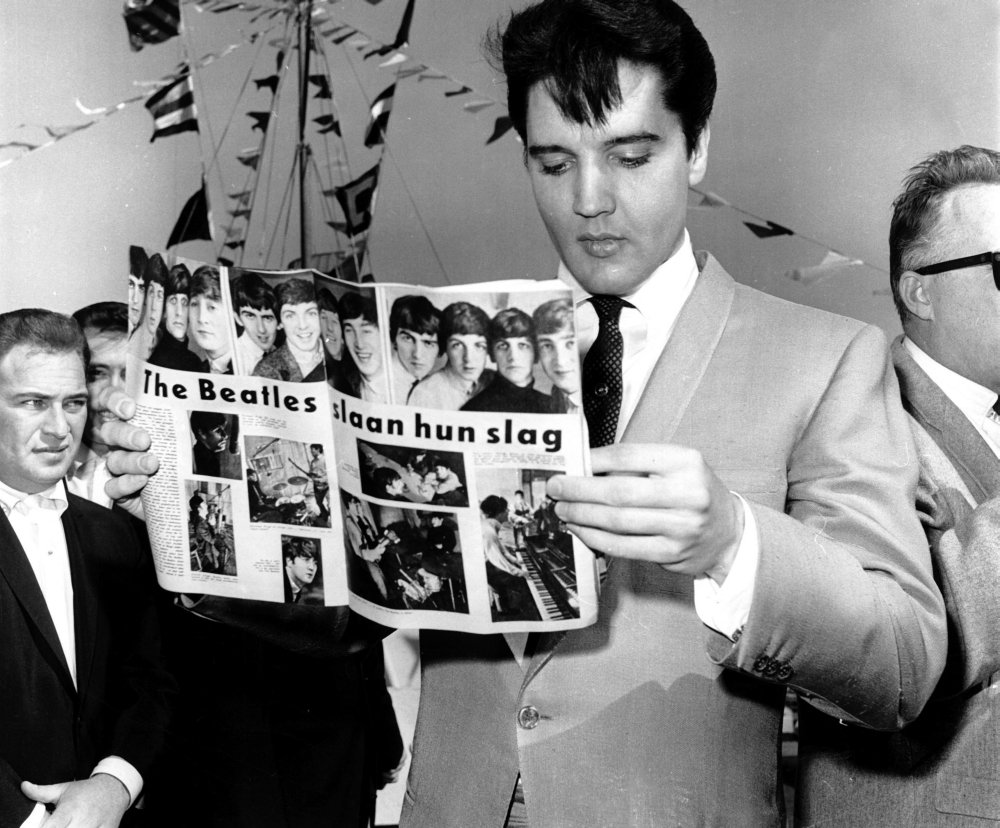
- Elvis Presley (1935–1977): Recorded "That’s All Right" (1954) at Sun Records, covering Arthur Crudup’s blues song but adding a country bounce.
- Carl Perkins ("Blue Suede Shoes", 1956): Wrote the first million-selling rockabilly hit.
- Jerry Lee Lewis ("Great Balls of Fire", 1957): Piano-driven wildness shocked conservative America.
- Johnny Cash: Though more country, his rebellious image ("Folsom Prison Blues") influenced rock’s outlaw spirit.
C. The First Rock ‘n’ Roll Stars
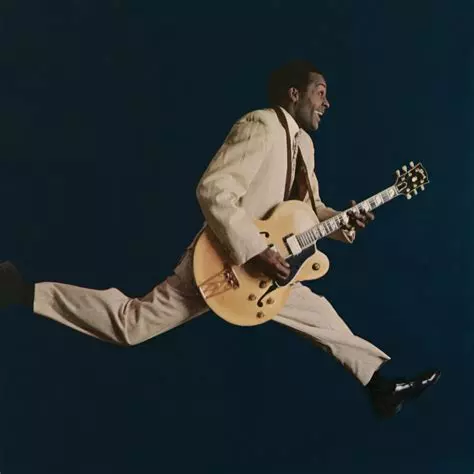
- Chuck Berry (1926–2017):
- "Maybellene" (1955), "Johnny B. Goode" (1958): Guitar riffs, teen lyrics, and showmanship defined rock’s DNA.
- Influenced The Beatles, Rolling Stones, and every guitar hero.
- Little Richard (1932–2020):
- "Tutti Frutti" (1955): Wild piano, screaming vocals, and androgynous style broke racial barriers.
- Bo Diddley (1928–2008):
- "Bo Diddley" (1955): His shave-and-a-haircut beat became a rock staple.
D. The Cultural Explosion (and Backlash)
- Race and Rock ‘n’ Roll:
- Many early rock hits were black songs covered by white artists (e.g., Pat Boone’s tame version of "Tutti Frutti").
- Alan Freed, a DJ, coined the term "rock ‘n’ roll" and promoted Black artists, but payola scandals and racism limited their success.
- Moral Panic:
- Elvis’s hip movements were deemed "obscene" (filmed waist-up on TV).
- Religious groups called rock "the devil’s music."
3. The British Invasion (1960s): Rock Goes Global
A. The Beatles & The Rolling Stones
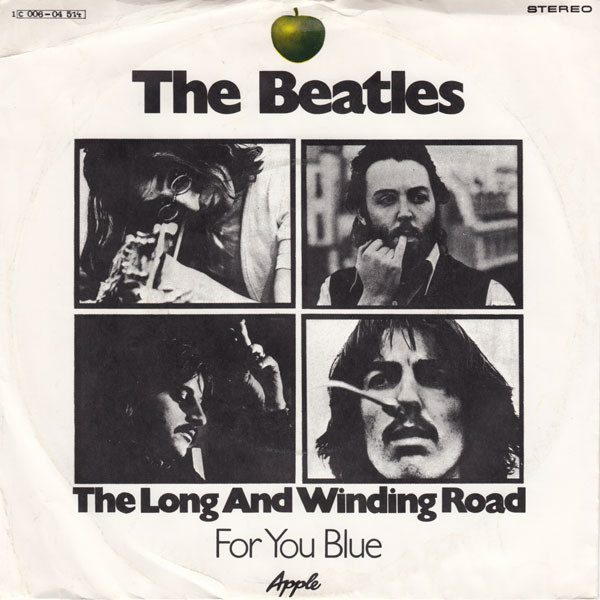
- The Beatles (1960–1970):
- Early: Covered Chuck Berry, Little Richard ("Twist and Shout").
- Middle: Psychedelic experimentation ("Sgt. Pepper’s Lonely Hearts Club Band", 1967).
- Late: Studio pioneers ("Abbey Road", 1969).
- The Rolling Stones:
- Blues purists ("Satisfaction", 1965) with a bad-boy image.
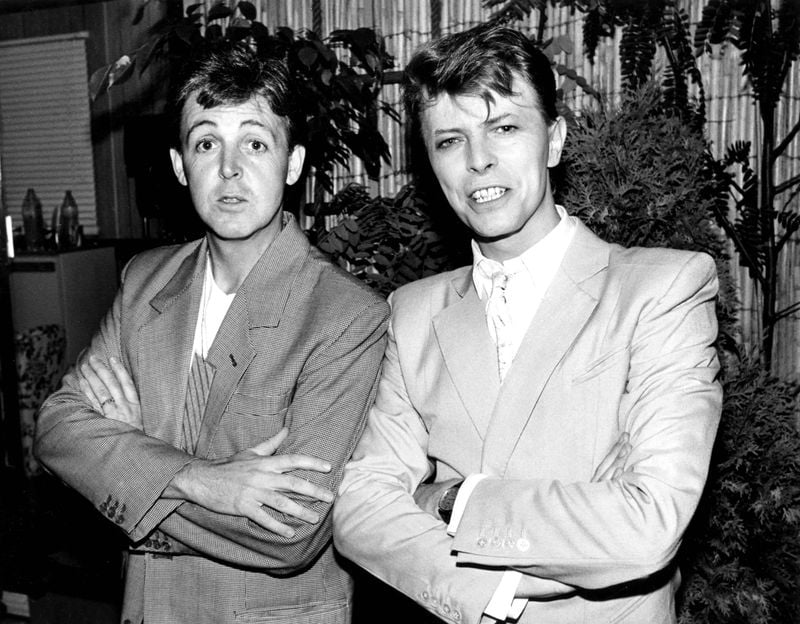
- Mick Jagger’s swagger vs. Paul McCartney’s charm = rock’s dual personality.
B. The Who & Hard Rock’s Birth
- The Who – "My Generation" (1965):
- Power chords, feedback, and destruction (guitar-smashing).
- First rock opera: "Tommy" (1969).
- Cream (Eric Clapton, Jack Bruce, Ginger Baker):
- Blues-rock jams ("Sunshine of Your Love", 1967).
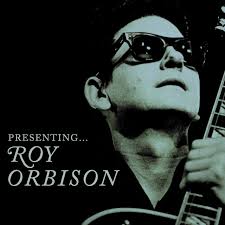
C. Psychedelic Rock & the Counterculture
- San Francisco Sound:
- Grateful Dead, Jefferson Airplane: Long jams, LSD-influenced lyrics.
- Monterey Pop Festival (1967): Jimi Hendrix set his guitar on fire.
- Pink Floyd – "The Piper at the Gates of Dawn" (1967):
- Spacey soundscapes and philosophical themes.
- Woodstock (1969):
- Peak of hippie culture: Hendrix’s "Star-Spangled Banner", Santana’s Latin rock, Janis Joplin’s blues wail.
4. The 1970s: Rock Fragments into Subgenres
A. Heavy Metal
- Led Zeppelin – "Led Zeppelin I" (1969):
- Blues + hard rock + mythology ("Whole Lotta Love").
- Black Sabbath – "Black Sabbath" (1970):
- Tony Iommi’s doom riffs ("Iron Man") = birth of heavy metal.
- Deep Purple, Judas Priest: Faster, louder, darker.
B. Punk Rock: The Rebellion
- New York & London Scenes:
- The Ramones – "Ramones" (1976): 3-chord, 2-minute songs ("Blitzkrieg Bop").
- Sex Pistols – "Never Mind the Bollocks" (1977): Anarchy in the UK.
- The Clash: Political punk ("London Calling", 1979).
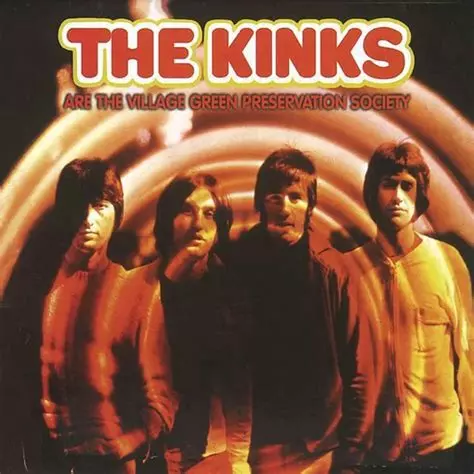
C. Progressive & Arena Rock
- Progressive Rock:
- Pink Floyd – "The Dark Side of the Moon" (1973): Concept albums, synths, and existential themes.
- Yes, Genesis, Rush: Complex time signatures, fantasy lyrics.
- Arena Rock:
- Led Zeppelin, Queen, Aerosmith: Stadium shows, pyrotechnics, and anthems ("Bohemian Rhapsody").
5. The 1980s: Rock Gets Synths and Hairspray
A. New Wave & Post-Punk
- Blondie, Talking Heads, The Cure:
- Synths + punk attitude ("Heart of Glass", "Once in a Lifetime").
- U2 – "The Joshua Tree" (1987):
- Anthemic rock with political depth ("Where the Streets Have No Name").
B. Glam Metal (Hair Metal)
- Mötley Crüe, Poison, Guns N’ Roses:
- Big hair, spandex, and power ballads ("Sweet Child O’ Mine").
- Backlash: Seen as shallow and corporate—until Nirvana killed it in the 1990s.
C. Alternative Rock Underground
- R.E.M. – "Murmur" (1983):
- Jangle-pop with cryptic lyrics ("Radio Free Europe").
- The Smiths, Pixies: Indie rock’s emotional depth.

6. The 1990s: Grunge and the Death (and Rebirth) of Rock
A. Grunge (Seattle Sound)
- Nirvana – "Nevermind" (1991):
- "Smells Like Teen Spirit" killed hair metal and made flannel cool.
- Kurt Cobain’s angst spoke to Generation X.
- Pearl Jam, Soundgarden, Alice in Chains:
- Dark, heavy, and introspective.
B. Britpop vs. American Alternative
- UK: Oasis ("Wonderwall"), Blur, Radiohead ("OK Computer").
- US: Foo Fighters (Dave Grohl), Red Hot Chili Peppers.
C. Nu-Metal & Rap-Rock
- Linkin Park, Korn, Limp Bizkit:
- Rap vocals + heavy guitars ("In the End").
- Criticized as "not real rock" but dominated the late ‘90s.
7. 2000s–Present: Rock in the Digital Age
A. Indie Rock Revival
- The Strokes – "Is This It" (2001):
- Back-to-basics garage rock.
- Arctic Monkeys, The White Stripes:
- DIY ethics, raw energy.

B. Emo & Post-Hardcore
- My Chemical Romance, Fall Out Boy:
- Emotional lyrics, theatrical style ("Welcome to the Black Parade").
- Paramore, Bring Me the Horizon:
- Blending rock with pop and electronic elements.
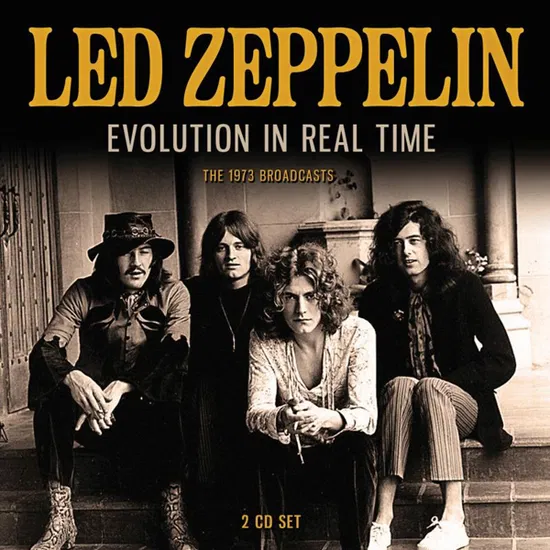
C. Modern Rock: A Fragmented Scene
- Rock is no longer the dominant genre, but it evolves in niches:
- Psych-rock (Tame Impala).
- Metalcore (Bring Me the Horizon, Architects).
- Latin Rock (Maná, Café Tacvba).
- K-Rock (Hyukoh, Day6).
- Legacy Acts Still Touring:
- The Rolling Stones, Paul McCartney, Metallica—proving rock’s enduring appeal.
8. Why Rock Still Matters Today
- Cultural Rebellion: From Elvis’s hips to Nirvana’s flannel, rock has always challenged norms.
- Live Experience: Festivals (Glastonbury, Coachella) and intimate gigs keep the spirit alive.
- Influence on Other Genres:
- Hip-hop samples (e.g., Jay-Z using "Hard Knock Life" from Annie but with rock guitars).
- Pop-punk revival (Machine Gun Kelly, Olivia Rodrigo).
- DIY Ethos: Bedroom producers and garage bands continue the tradition.
TL;DR Timeline of Rock’s Evolution
| Era | Key Movement | Iconic Artists | Defining Sound |
|---|---|---|---|
| 1920s–1940s | Blues, Country, Gospel | Robert Johnson, Hank Williams | Acoustic, storytelling, emotional depth |
| 1950s | Rock ‘n’ Roll | Elvis, Chuck Berry, Little Richard | Electric guitars, teen rebellion |
| 1960s | British Invasion/Psychedelia | The Beatles, Hendrix, The Doors | Studio experimentation, protest songs |
| 1970s | Hard Rock/Punk | Led Zeppelin, Ramones, Black Sabbath | Heavy riffs, DIY ethics |
| 1980s | New Wave/Glam Metal | Michael Jackson, Guns N’ Roses | Synths, big hair, power ballads |
| 1990s | Grunge/Alternative | Nirvana, Radiohead | Raw angst, flannel aesthetic |
| 2000s–Now | Indie/Emo/Modern Rock | Arctic Monkeys, Foo Fighters | Genre-blending, nostalgia |
Final Thought: Rock Is Dead? Long Live Rock!
Rock has died and been reborn countless times—declared dead in the disco era (1970s), hair metal crash (1990s), and streaming age (2010s). Yet, it always reinvents itself because at its core, rock is about: ✅ Authenticity (even when it’s theatrical). ✅ Rebellion (against parents, politics, or trends). ✅ Community (from mosh pits to record collectors).
As Jack White (The White Stripes) said: "Rock ‘n’ roll is about freedom—the freedom to make noise, to say what you want, to be who you are."
| Book | Author | Why This Book Is Different |
|---|---|---|
| Can’t Stop Won’t Stop | Jeff Chang | Focuses on hip-hop; this is rock’s equivalent. |
| Please Kill Me | Legs McNeil | Punk oral history; this covers all eras. |
| Life | Keith Richards | Memoir; this is a broader cultural story. |
| The Rest Is Noise | Alex Ross | Classical music; this is rock’s definitive tale. |
Time line of Rock Music
| Era | Key Movement | Iconic Artists | Defining Sound |
|---|---|---|---|
| 1920s–1940s | Blues, Country, Gospel | Robert Johnson, Hank Williams | Acoustic, storytelling, emotional depth |
| 1950s | Rock ‘n’ Roll | Elvis, Chuck Berry, Little Richard | Electric guitars, teen rebellion |
| 1960s | British Invasion/Psychedelia | The Beatles, Hendrix, The Doors | Studio experimentation, protest songs |
| 1970s | Hard Rock/Punk | Led Zeppelin, Ramones, Black Sabbath | Heavy riffs, DIY ethics |
| 1980s | New Wave/Glam Metal | Michael Jackson, Guns N’ Roses | Synths, big hair, power ballads |
| 1990s | Grunge/Alternative | Nirvana, Radiohead | Raw angst, flannel aesthetic |
| 2000s–Now | Indie/Emo/Modern Rock | Arctic Monkeys, Foo Fighters | Genre-blending, nostalgia |