
"The Long and Winding Road" is a poignant and emotionally charged song by The Beatles, featured on their final album, "Let It Be", released in 1970. The story behind its writing and recording is deeply intertwined with the personal struggles and creative tensions within the band during their later years. Here’s a detailed look at the story behind "The Long and Winding Road":
1. Inspiration and Writing
Composition:
- "The Long and Winding Road" was written by Paul McCartney, though it was credited to the Lennon-McCartney partnership, as was customary for Beatles songs.
- The song was inspired by the personal and emotional turmoil McCartney was experiencing during the late 1960s. It reflects his feelings of isolation, uncertainty, and the search for meaning and direction in his life.
Lyrics and Meaning:
- The lyrics of "The Long and Winding Road" are introspective and melancholic, expressing a sense of weariness and the desire for resolution and peace. The repeated phrase "The long and winding road / That leads to your door" symbolizes the journey towards finding solace and understanding.
- The song’s themes of longing, reflection, and the search for connection resonated deeply with listeners, making it one of the Beatles’ most emotionally powerful compositions.
2. Recording and Innovation
Recording Session:
- "The Long and Winding Road" was recorded during the "Let It Be" sessions, which took place in January 1969 at Twickenham Film Studios and later at Apple Studios.
- The song features a lush, orchestral arrangement, with McCartney’s piano and vocal performance at the forefront. The use of strings and backing vocals adds depth and emotional weight to the song.
Phil Spector’s Influence:
- The final version of the song, as heard on the "Let It Be" album, was produced by Phil Spector, who added his signature "Wall of Sound" production style. Spector’s orchestral arrangements and lush instrumentation gave the song a grand, emotive quality.
- McCartney was initially unhappy with Spector’s production, feeling that it overshadowed the simplicity and intimacy of his original vision for the song. This disagreement contributed to the tensions within the band during the final stages of their career.
3. Context and Challenges
Tensions Within the Band:
- The "Let It Be" sessions were marked by significant tensions within the Beatles. The band was going through a difficult period, with creative differences and personal conflicts threatening to tear them apart.
- Despite these challenges, "The Long and Winding Road" stands out as a moment of emotional honesty and vulnerability, showcasing McCartney’s ability to express deep, personal feelings through his songwriting.
Personal Struggles:
- McCartney’s personal struggles, including his feelings of isolation and the pressures of fame, are reflected in the song’s lyrics and mood. The song serves as a poignant reflection of his emotional state during this tumultuous time.
4. Legacy
Enduring Popularity:
- "The Long and Winding Road" remains one of the Beatles’ most beloved and timeless songs. Its emotional depth and beautiful melody have made it a favorite among fans and critics alike.
Cultural Impact:
- The song has been covered by numerous artists and has been featured in films, television shows, and commercials, cementing its place in popular culture.
- "The Long and Winding Road" is often cited as a classic example of the Beatles’ ability to blend musical innovation with emotional depth and personal expression.
5. The Album and Single Release
Album:
- "The Long and Winding Road" was included on the Beatles’ final studio album, "Let It Be", released in May 1970. The album was a collection of songs recorded during the turbulent sessions in 1969, which were later reworked by producer Phil Spector.
Single Release:
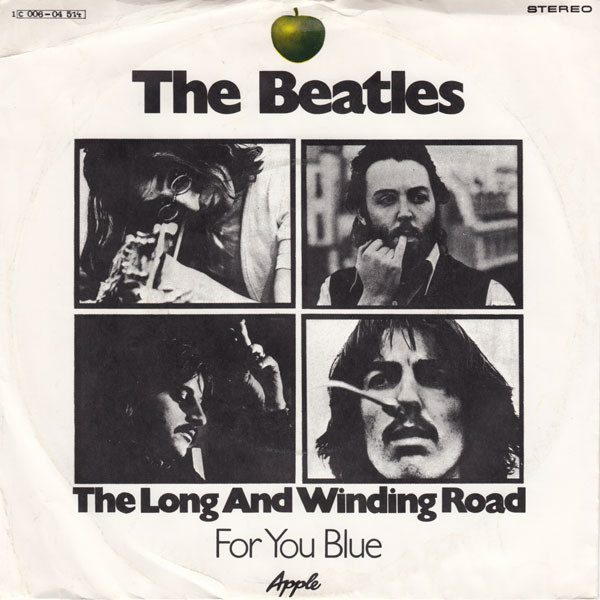
- The song was also released as a single in May 1970, becoming the Beatles’ final No. 1 hit in the United States. It reached the top of the Billboard Hot 100, further cementing its status as one of the band’s most iconic and enduring compositions.
Key Facts
- Writers: Paul McCartney (credited to Lennon-McCartney)
- Lead Vocals: Paul McCartney
- Distinctive Elements: Piano, orchestral arrangement, emotional vocals
- Album: "Let It Be" (1970)
- Chart Performance: No. 1 in the U.S.
Conclusion
The story of "The Long and Winding Road" is a poignant reflection of the Beatles’ later years, marked by both creativity and internal strife. The song’s emotional depth and beautiful melody showcase the band’s ability to express deep, personal feelings through their music. It remains a timeless classic and a testament to the enduring legacy of the Beatles.