
The Beatles had a profound influence on Elton John, shaping both his artistic development and his approach to music-making. As one of the most iconic and innovative bands in history, The Beatles' impact on the young Elton John—then known as Reginald Dwight—was immense. Here’s how their influence manifested in his life and career.
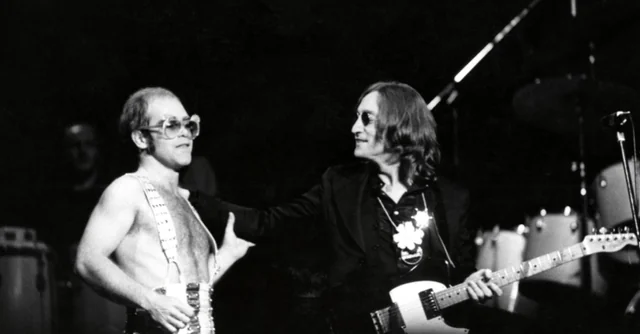
Elton John was a teenager when The Beatles rose to prominence in the early 1960s. Their revolutionary music, charisma, and innovative songwriting captured his imagination. He has frequently spoken about how they inspired him to pursue music with serious intent. He saw in them the possibility of transcending the traditional boundaries of pop and rock music, which fueled his own ambition to create something meaningful and enduring.
The Beatles’ Songs: Elton has cited albums like Sgt. Pepper’s Lonely Hearts Club Band and Revolver as formative influences. These records showed him how music could be both groundbreaking and accessible, blending genres and experimenting with production techniques. In particular, their harmonies and melodic instincts left a lasting imprint on his own songwriting style.
The Beatles set a new standard for pop songwriting, elevating it from simple love songs to complex, deeply personal expressions of emotion and storytelling. Elton John, in collaboration with his lyricist Bernie Taupin, adopted a similarly ambitious approach to crafting songs. Like Lennon and McCartney, Elton and Taupin formed a dynamic partnership that relied on a seamless blend of melody and lyrics.
Genre Experimentation: Much like The Beatles, Elton’s music spans a wide range of styles, from piano ballads ("Your Song") to rock anthems ("Saturday Night's Alright for Fighting") and elaborate concept albums like Captain Fantastic and the Brown Dirt Cowboy. This fearless experimentation mirrors The Beatles’ own genre-crossing tendencies.
Storytelling: The Beatles' ability to tell vivid, imaginative stories in their songs (e.g., "Eleanor Rigby" or "A Day in the Life") inspired Elton and Taupin to craft narratives in their music, such as "Daniel" and “Goodbye Yellow Brick Road.”
The Beatles were pioneers of studio experimentation, using technology and creative production techniques to expand the possibilities of recorded music. Elton, too, became known for pushing boundaries in the studio, creating lush, multi-layered arrangements that reflected The Beatles’ influence.
Stage Presence: The Beatles' charisma and performance style laid the groundwork for Elton’s larger-than-life stage persona. While The Beatles may have been more understated in their fashion and antics, Elton took this influence to a new level, becoming known for his flamboyant costumes, theatricality, and electrifying energy on stage.
Cultural Impact: The Beatles showed Elton that music could transcend entertainment and become a cultural force. Like them, he sought to make music that resonated deeply with listeners and captured the spirit of the times.
Elton John eventually became friends with members of The Beatles, particularly John Lennon. Their relationship was a mix of mutual admiration and collaboration:
In 1974, Elton and John Lennon worked together on the song "Whatever Gets You Thru the Night", which became Lennon’s only solo #1 hit during his lifetime. Lennon later joined Elton on stage at Madison Square Garden that same year, in what would be Lennon’s final live performance. Elton also paid tribute to Lennon after his death in 1980 with the heartfelt song "Empty Garden (Hey Hey Johnny)", a testament to their friendship and Lennon's influence on his life.
Elton John has consistently praised The Beatles for their unparalleled impact on popular music, often citing them as one of the reasons he pursued a music career. He once said:
"Without The Beatles, I don’t think any of us would be here. They revolutionized music. They gave us the idea that anything was possible."
In essence, The Beatles not only inspired Elton John’s artistry but also helped him believe in the transformative power of music. Their legacy can be felt in his melodies, his ambition, and his ability to connect with audiences on a grand scale.